How to Get Rid of Frizzy Curly Hair: 10 Expert Solutions
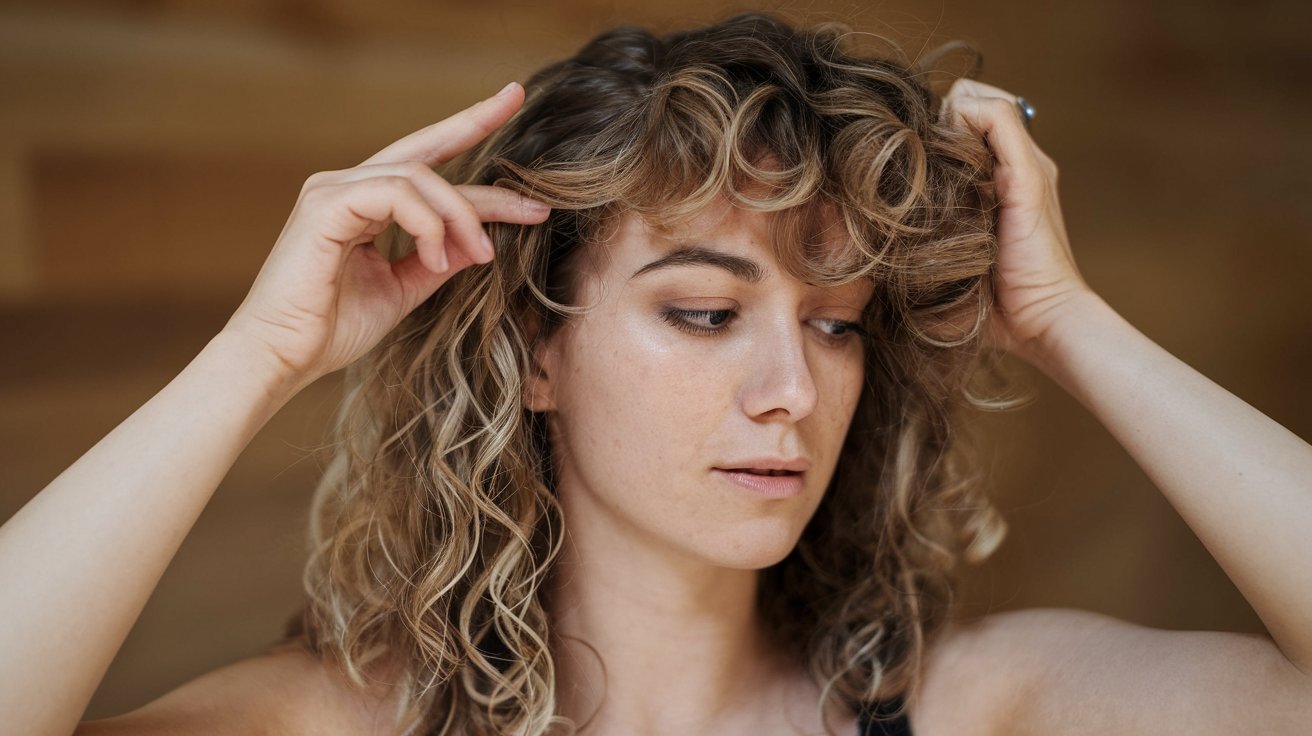
Frizzy curly hair affects over 65% of Americans with naturally textured hair, causing frustration and limiting styling options. The key to getting rid of frizzy curly hair lies in understanding your hair’s unique moisture needs and implementing the right techniques. This comprehensive guide reveals professional methods to transform unruly curls into smooth, defined spirals that stay beautiful all day long.
Understanding the Root Causes of Frizzy Curly Hair
Frizzy curly hair occurs when the hair cuticle lifts, allowing moisture to enter and swell the hair shaft. This disruption creates an irregular surface that scatters light, resulting in the characteristic frizzy appearance. Natural hair characteristics play a crucial role, as curly hair has an elliptical cross-section that makes it more porous than straight hair. The irregular shape also prevents natural oils from traveling down the hair shaft effectively, leaving curls dry and prone to frizz.
Environmental factors significantly impact frizzy curly hair formation. Humidity levels above 60% cause hair to absorb excess moisture, while dry conditions strip away essential oils. Heat styling tools, chemical treatments, and aggressive brushing further damage the cuticle layer. Understanding these causes helps target the most effective solutions for your specific hair type and lifestyle needs in 2025.
Moisture Imbalance Issues
Curly hair requires 50% more moisture than straight hair due to its structure, yet most people unknowingly create moisture imbalances. Over-washing strips natural oils, while under-moisturizing leaves curls dry and frizzy. The protein-moisture balance is critical – too much protein makes hair brittle, while insufficient protein causes limpness and increased frizz susceptibility.
Styling Technique Mistakes
Common styling errors amplify frizz in curly hair. Towel-drying creates friction that lifts the cuticle, while brushing dry curls separates the natural curl pattern. Using products with sulfates, alcohols, or silicones creates buildup that weighs down curls and increases frizzy hair problems. Professional stylists report that 80% of frizz issues stem from improper handling techniques.
How to Get Rid of Frizzy Curly Hair Permanently
Achieving permanent frizz control requires a systematic approach combining proper hair care techniques, targeted products, and lifestyle adjustments. The most effective method involves rehydrating dry frizzy hair through deep conditioning treatments performed weekly. Professional keratin treatments can reduce frizz by 70-90% for 3-6 months, while Brazilian blowouts offer smoother results lasting 2-4 months.
Long-term success depends on establishing a consistent routine that addresses your hair’s unique needs. This includes using sulfate-free shampoos, applying leave-in conditioners, and protecting hair from environmental damage. Getting rid of frizzy curly hair permanently also requires patience, as it typically takes 6-8 weeks of consistent care to see dramatic improvements in hair texture and manageability.
Professional Treatment Options
Keratin treatments remain the gold standard for permanent frizz reduction, with newer formulas being formaldehyde-free and safer for regular use. Olaplex treatments rebuild broken hair bonds, reducing frizz at the molecular level. Japanese thermal reconditioning offers the most permanent results but works best on minimally damaged hair with loose curl patterns.
At-Home Permanent Solutions
DIY keratin treatments cost 60% less than salon services and provide lasting results when applied correctly. Regular protein treatments using hydrolyzed keratin or silk proteins help fix frizzy curly hair over time. Consistent use of hair masks containing ceramides and amino acids gradually repairs damage and improves curl definition permanently.
How to Get Rid of Frizzy Curly Hair in 5 Minutes
Quick frizz fixes are essential for busy mornings and unexpected situations. The most effective 5-minute frizz control method involves applying a small amount of leave-in conditioner mixed with curl cream to damp hair, then scrunching gently with a microfiber towel. This technique works because it provides instant moisture while encouraging natural curl formation without disrupting the hair cuticle.
Professional hairstylists recommend the “praying hands” method for quick frizz elimination. Apply product to palms, smooth hands over hair sections from roots to ends, then scrunch upward to enhance curl formation. Using a diffuser on low heat for 3-4 minutes completes the look while setting curls in place. This method consistently produces salon-quality results in minimal time.
Natural Home Remedies for Frizzy Curly Hair
Natural remedies offer effective, chemical-free solutions for frizzy curly hair treatment. Coconut oil penetrates the hair shaft better than other oils, reducing protein loss and increasing shine. Apply warm coconut oil as a pre-shampoo treatment for 30 minutes to dramatically improve curl definition and reduce frizz. Aloe vera gel provides lightweight moisture and holds curls without stiffness, making it ideal for fine, curly hair types.
Apple cider vinegar rinses restore the hair’s natural pH balance, smoothing the cuticle and reducing frizz immediately. Mix 2 tablespoons of ACV with 1 cup of water, apply after shampooing, and rinse thoroughly. Home remedies for frizzy curly hair also include flaxseed gel, which provides natural hold and moisture. Boil 1/4 cup flaxseeds in 2 cups water until gel forms, strain, and use as a styling gel for defined, frizz-free curls.
Kitchen Ingredient Solutions
Honey acts as a natural humectant, drawing moisture from the air into hair strands. Mix 2 tablespoons honey with 4 tablespoons olive oil for a natural frizz-fighting mask. Avocado provides essential fatty acids that smooth the hair cuticle, while eggs deliver protein to strengthen damaged strands and reduce breakage-related frizz.
Herbal Treatment Methods
Marshmallow root tea creates a natural slip that detangles curls without causing frizz. Steep 1/4 cup dried marshmallow root in 2 cups hot water for 4 hours, strain, and use as a final rinse. Nettle and horsetail teas strengthen hair follicles and improve overall curly hair health, reducing frizz from the root level.
Best Products and Ingredients for Frizz Control
The most effective anti-frizz ingredients include hyaluronic acid, which holds 1000 times its weight in water, providing intense hydration for dry, frizzy curly hair. Argan oil contains high levels of vitamin E and essential fatty acids that smooth the cuticle and add shine without weighing down curls. Shea butter provides deep moisturization while forming a protective barrier against humidity.
Modern formulations feature advanced silicones like cyclopentasiloxane that provide frizz control without buildup. Botanical ingredients such as moringa seed extract and quinoa protein offer strengthening benefits while maintaining curl elasticity. Top-rated products for frizzy curly hair in 2025 include leave-in treatments with multiple molecular weights of hyaluronic acid, ensuring both surface smoothing and deep penetration for lasting results.
Creating the Perfect Daily Routine
An effective daily routine for managing frizzy curly hair begins with proper washing frequency – typically 2-3 times per week for most curl types. Use lukewarm water and sulfate-free shampoo, focusing on the scalp rather than the length of hair. Apply conditioner from mid-shaft to ends, using a wide-tooth comb to distribute evenly and detangle gently while hair is saturated with product.
Post-wash care determines frizz levels throughout the day. Never rub hair with a regular towel; instead, use a microfiber towel or cotton t-shirt to gently squeeze out excess water. Apply leave-in conditioner and styling products to damp hair using the proper application techniques. The “plopping” method – wrapping curls in a t-shirt for 10-20 minutes – enhances curl formation while reducing drying time and frizz potential.
Morning Refresh Techniques
Second-day curls require special attention to maintain definition and minimize frizz. Create a refresh spray using 70% water, 20% leave-in conditioner, and 10% curl cream. Lightly mist sections and scrunch to reactivate curl patterns. For severely flattened areas, wet hands and smooth over problem spots before scrunching with a microfiber cloth.
Nighttime Protection Methods
Protecting curls overnight prevents morning frizz and preserves curl definition. Sleep on a satin or silk pillowcase to reduce friction, or use a satin bonnet for complete protection. The “medusa clipping” technique involves loosely clipping curl sections on top of the head to maintain volume and prevent flattening during sleep.
Preventing Frizz Before It Starts
Prevention strategies prove more effective than reactive treatments for frizzy curly hair management. Regular deep conditioning treatments every 1-2 weeks maintain optimal moisture levels, while protein treatments every 4-6 weeks strengthen the hair structure. Protecting hair from UV damage using products with SPF prevents dryness and color fading that contribute to frizz formation.
Environmental protection plays a crucial role in frizz prevention. Use anti-humidity products containing film-forming polymers that create a barrier against moisture fluctuations. Avoid over-manipulation throughout the day – touching, combing, or running fingers through curls disrupts the natural curl pattern and creates frizz. Regular trims every 6-8 weeks remove damaged ends that can travel up the hair shaft, causing increased frizz and breakage.
Special Considerations for Men’s Frizzy Curly Hair
Men’s curly hair often requires different approaches due to shorter lengths and different styling goals. Male frizzy curly hair solutions focus on lightweight products that provide control without compromising natural texture. Pomades and creams work better than gels for most men, as they offer flexible hold while maintaining touchable softness.
Barbering techniques significantly impact frizz levels in men’s curly hair. Dry cutting methods preserve natural curl patterns and reduce frizz, while proper layering techniques remove bulk without creating uneven textures. Men with frizzy curly hair benefit from shorter styles that are easier to maintain and less prone to environmental damage. Regular maintenance every 4-6 weeks keeps curls shaped and healthy.
Related video about how to get rid of frizzy curly hair
This video complements the article information with a practical visual demonstration.
What you should know
How do you rehydrate dry frizzy hair?
Rehydrating dry frizzy hair requires a multi-step approach: use a deep conditioning treatment weekly, apply leave-in conditioner to damp hair daily, and seal moisture with natural oils like argan or coconut oil. Drink plenty of water and use a humidifier in dry environments to maintain optimal moisture levels from inside out.
How to get rid of frizzy curly hair in 5 minutes?
For quick frizz elimination, dampen hair lightly with water, apply a mixture of leave-in conditioner and curl cream using the praying hands method, scrunch gently with a microfiber towel, then diffuse on low heat for 2-3 minutes. This technique provides instant moisture and curl definition without disrupting the hair cuticle.
Can you permanently get rid of frizzy curly hair?
Yes, through consistent care and professional treatments. Keratin treatments reduce frizz by 70-90% for 3-6 months, while establishing a proper routine with sulfate-free products, regular deep conditioning, and protective styling creates long-term improvements. Complete transformation typically takes 6-8 weeks of dedicated care.
What ingredients should I avoid in products for frizzy curly hair?
Avoid sulfates (sodium lauryl sulfate), drying alcohols (isopropyl alcohol), and heavy silicones that cause buildup. These ingredients strip natural oils, dehydrate curls, and create residue that weighs down hair. Instead, choose products with natural moisturizers, lightweight oils, and gentle cleansing agents.
How often should I wash frizzy curly hair?
Wash frizzy curly hair 2-3 times per week maximum to preserve natural oils. Over-washing strips essential moisture, increasing frizz and dryness. Use dry shampoo between washes to refresh roots, and focus on scalp cleansing rather than scrubbing the length of your hair to minimize cuticle damage.
Do natural remedies really work for frizzy curly hair?
Yes, natural remedies can be highly effective. Coconut oil penetrates hair better than synthetic products, aloe vera provides lightweight moisture, and apple cider vinegar restores pH balance. However, results vary by hair type and damage level. Natural treatments work best as part of a comprehensive hair care routine rather than standalone solutions.
| Treatment Method | Time Required | Effectiveness | Duration of Results |
|---|---|---|---|
| Quick 5-minute fix | 5 minutes daily | Immediate smoothing | Same day only |
| Natural home remedies | 30-60 minutes weekly | Gradual improvement | 2-4 weeks |
| Professional keratin treatment | 2-4 hours | 70-90% frizz reduction | 3-6 months |
| Consistent daily routine | 15-20 minutes daily | Long-term transformation | Permanent with maintenance |