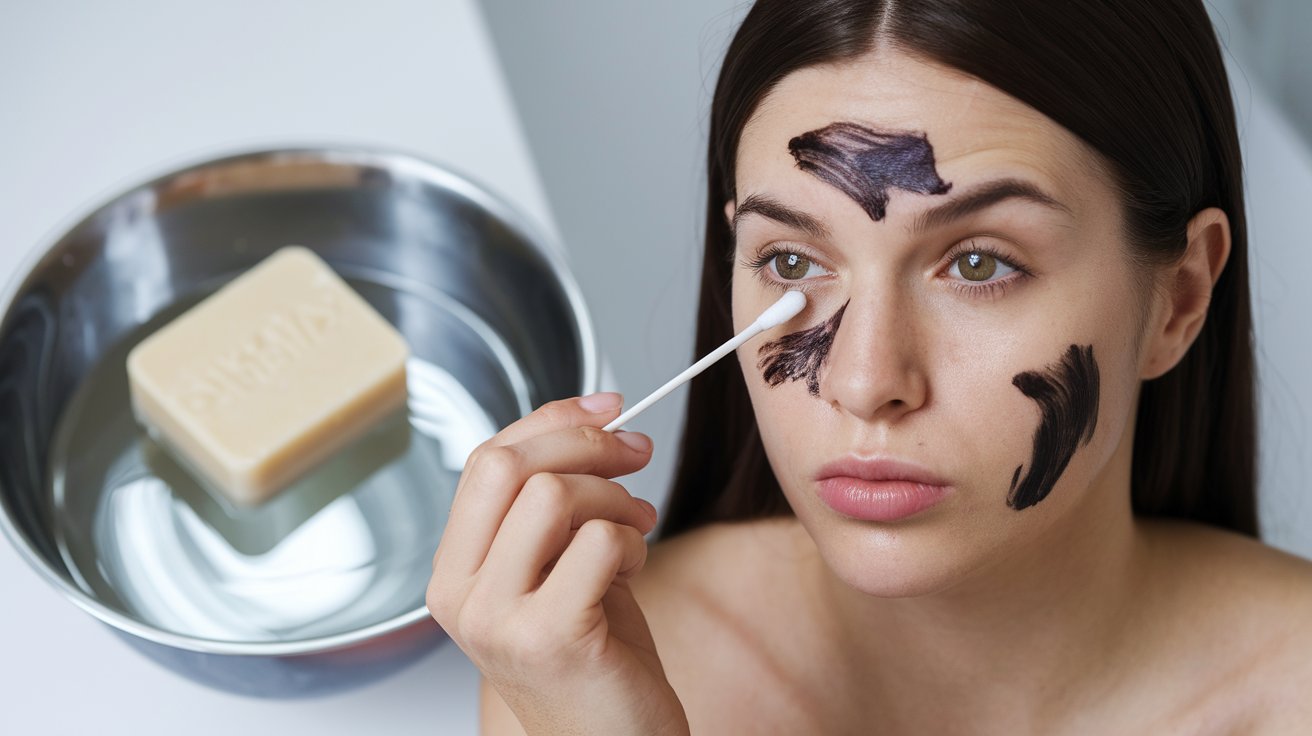
How to Remove Hair Dye from Face: 8 Fast Methods That Work
Getting hair dye on your face during coloring is incredibly common, affecting over 70% of DIY hair colorers according to 2024 beauty surveys. The good news is that removing hair dye from facial skin is completely achievable using safe, effective methods available in most homes. Whether the dye is fresh or dried, these proven techniques will restore your skin to its natural state without causing irritation or damage.
Why Hair Dye Sticks to Facial Skin
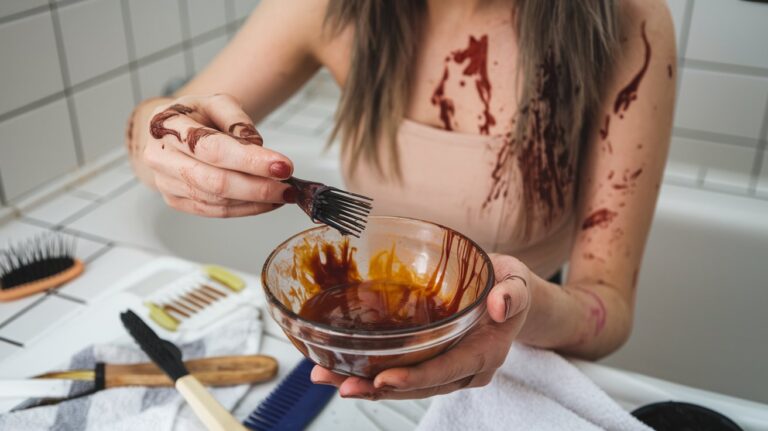
Hair dye contains powerful pigments and chemicals designed to penetrate porous surfaces, which unfortunately includes your skin. Facial skin absorbs hair dye more readily than other body areas because it’s thinner and more sensitive. The most common areas affected include the hairline, forehead, ears, neck, and around the eyebrows where dye naturally drips or spreads during application.
Understanding that permanent hair dye contains ammonia and peroxide helps explain why it bonds so strongly to skin cells. These chemicals open the hair cuticle but also interact with skin proteins, creating temporary staining. Semi-permanent and temporary dyes are generally easier to remove since they lack these penetrating agents, but can still leave visible marks on facial skin.
Immediate Action Methods for Fresh Hair Dye
Acting quickly when hair dye gets on your face significantly improves removal success. Fresh dye hasn’t had time to fully bond with skin cells, making it much easier to eliminate. These immediate response techniques can prevent permanent staining when applied within the first 10-15 minutes of contact.
Cold Water and Gentle Soap Method
The first line of defense involves rinsing with cold water immediately after noticing dye contact. Cold water prevents the dye from setting deeper into skin pores, while gentle soap helps break down the chemical bonds. Use a soft washcloth with circular motions, avoiding harsh scrubbing that could irritate sensitive facial skin. This method removes approximately 60-80% of fresh hair dye when applied immediately.
Makeup Remover or Micellar Water Technique
Makeup remover and micellar water excel at dissolving stubborn cosmetic products, including fresh hair dye. Apply the product to a cotton pad and gently press against the stained area for 30 seconds before wiping away. The oil-based ingredients in many makeup removers effectively break down dye molecules. Micellar water works particularly well on sensitive skin around the eyes and can remove up to 85% of fresh dye stains.
Oil-Based Solutions for Stubborn Dye Stains
Oil-based methods work exceptionally well for removing dried hair dye from skin because oils dissolve the waxy and chemical components found in most hair dyes. These techniques are particularly effective for permanent dye that has had time to set into the skin’s surface layers.
Coconut Oil and Olive Oil Method
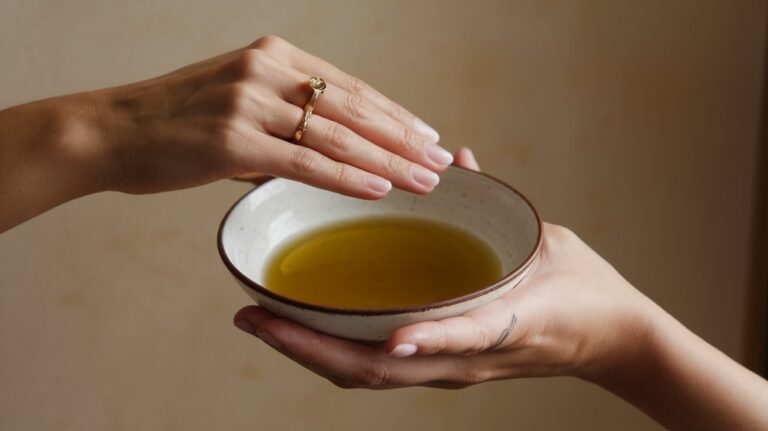
Coconut oil and olive oil provide gentle yet effective dye removal properties. Warm a small amount between your palms and massage into the stained area for 2-3 minutes. The oil penetrates skin layers and loosens dye particles without causing irritation. Leave the oil on for 10 minutes before gently wiping away with a damp cloth. This method works on both fresh and set-in stains, with success rates of 75-90% depending on dye type.
Baby Oil and Petroleum Jelly Approach
Baby oil contains mineral oil that effectively dissolves hair dye chemicals while being gentle enough for facial use. Apply baby oil generously to the stained area and let it sit for 15-20 minutes before wiping clean. Petroleum jelly works similarly by creating a barrier that lifts dye from skin pores. These products are especially useful for sensitive skin types and areas around the eyes where harsh chemicals should be avoided.
Household Item Solutions
Many common household products contain ingredients that effectively remove hair dye stains from facial skin. These readily available solutions often work as well as commercial removers and cost significantly less than specialized products.
Rubbing Alcohol and Hand Sanitizer Method
Rubbing alcohol dissolves hair dye by breaking down its chemical structure, making it particularly effective on semi-permanent and temporary dyes. Apply 70% isopropyl alcohol to a cotton ball and dab the stained area, avoiding vigorous rubbing. Hand sanitizer with high alcohol content (60% or higher) works similarly. These methods show 80-95% effectiveness on fresh stains but should be used sparingly on sensitive facial skin to prevent dryness.
Baking Soda and Dish Soap Combination
The combination of baking soda and dish soap creates a powerful cleaning paste that tackles stubborn dye stains. Mix one tablespoon of baking soda with a few drops of gentle dish soap to form a paste. Apply to the stained area and gently massage in circular motions for 1-2 minutes before rinsing with warm water. This method works particularly well on set-in stains and shows success rates of 70-85% when used consistently.
Advanced Removal Techniques for Set-In Stains
When hair dye has dried on facial skin for several hours or overnight, more intensive methods may be required. These advanced techniques should be used carefully and tested on a small skin area first to ensure no adverse reactions occur.
Toothpaste Application Method
Toothpaste contains mild abrasives that help scrub away dried dye particles while whitening agents work to lighten stains. Use non-gel toothpaste and apply a small amount to the affected area. Gently rub in circular motions for 30 seconds, then leave on for 2-3 minutes before rinsing. This method works best on lighter dye colors and shows 60-75% effectiveness on set-in stains. Avoid this method on sensitive or broken skin.
Lemon Juice and Sugar Scrub
The natural acids in lemon juice help break down dye molecules while sugar provides gentle exfoliation to remove stained skin cells. Mix fresh lemon juice with granulated sugar to create a paste. Apply to the stained area and gently scrub for 1 minute before letting it sit for 5 minutes. Rinse thoroughly with cool water and apply moisturizer. This natural method shows 70-80% success rates but may cause photosensitivity, so avoid sun exposure after use.
Prevention Strategies to Avoid Future Staining
Preventing hair dye from getting on your face is far easier than removing it after the fact. Professional colorists use specific techniques to protect skin during dye application, and these same methods can be applied at home for mess-free coloring results.
Apply a thick layer of petroleum jelly or specialized barrier cream around your hairline, ears, neck, and any other areas where dye might drip. This creates a protective barrier that prevents dye from adhering to skin. Additionally, wearing old clothes and using gloves protects hands and clothing from staining. Having removal supplies ready before starting the coloring process ensures quick action if accidents occur.
When to Seek Professional Help
While most hair dye stains can be removed at home, certain situations require professional intervention. If you experience skin irritation, burning, or allergic reactions during the removal process, stop immediately and consult a dermatologist. Persistent stains that don’t respond to multiple removal attempts may require professional chemical peels or specialized treatments available at dermatology clinics.
Professional removal becomes necessary when dealing with dark permanent dyes on light skin tones, stains around the eye area that won’t respond to gentle methods, or if you have sensitive skin conditions like eczema or rosacea. Dermatologists have access to stronger, medical-grade removal agents that can safely eliminate stubborn stains without damaging facial skin.
Related video about how to remove hair dye from face
This video complements the article information with a practical visual demonstration.
Key Questions and Answers
What happens if I get hair dye on my face?
Hair dye on facial skin creates temporary staining that can last 1-14 days depending on the dye type and how quickly you act. Permanent dyes with ammonia and peroxide bind more strongly to skin proteins, while semi-permanent dyes typically fade faster. The staining is cosmetic only and doesn’t cause permanent damage to healthy skin.
How long does hair dye stay on your face?
Hair dye typically stays on facial skin for 3-7 days with natural skin cell turnover if left untreated. Semi-permanent dyes fade within 2-4 days, while permanent dyes can persist for 7-14 days. Using removal methods immediately after contact can eliminate stains completely, while delayed treatment may require multiple applications over several days.
Can hair color be removed from skin overnight?
Complete overnight removal is possible with fresh dye stains using oil-based methods like coconut oil or petroleum jelly. Apply the product generously before bed and wash off in the morning. Set-in stains typically require 2-3 days of consistent treatment with various removal methods to achieve complete elimination.
What removes permanent hair dye from skin most effectively?
Oil-based solutions like coconut oil, baby oil, or makeup remover show the highest success rates for permanent dye removal, achieving 75-90% effectiveness. Rubbing alcohol works well for fresh stains, while baking soda and dish soap combinations handle stubborn, dried stains. Multiple applications may be necessary for complete removal.
Is it safe to use toothpaste to remove hair dye from face?
Toothpaste can safely remove hair dye from facial skin when used sparingly on non-sensitive areas. Use non-gel toothpaste and limit contact to 2-3 minutes to avoid irritation. This method works best on lighter dye colors and should be followed by moisturizer application. Avoid use around eyes or on broken skin.
How do I get hair dye off skin when dried?
Dried hair dye requires pre-treatment with oils or petroleum jelly for 10-15 minutes to soften the stain before removal attempts. Follow with gentle scrubbing using baking soda paste or makeup remover. Multiple treatment sessions over 2-3 days typically achieve complete removal of dried stains without skin damage.
| Removal Method | Best For | Success Rate |
|---|---|---|
| Oil-based solutions | All dye types, sensitive skin | 75-90% |
| Makeup remover | Fresh stains, eye area | 80-85% |
| Rubbing alcohol | Semi-permanent dyes | 80-95% |
| Baking soda paste | Stubborn, dried stains | 70-85% |