Best Hair Treatment for Damaged Hair: Expert Guide 2025
Finding the right hair treatment for damaged hair can transform brittle, broken strands into healthy, vibrant locks. Whether you’re dealing with heat damage, chemical processing, or environmental stress, the right treatment approach can repair your hair’s structure and restore its natural shine. This comprehensive guide explores the most effective damaged hair treatments available in 2025, helping you choose the perfect solution for your specific hair repair needs.
Understanding Damaged Hair: Types and Causes
Damaged hair manifests in several ways, from split ends and breakage to dullness and excessive dryness. The most common types of damaged hair include chemically processed hair from coloring or perming, heat-damaged hair from styling tools, and environmentally damaged hair from sun exposure and pollution. According to 2024 American hair care studies, over 78% of women experience some form of hair damage by age 30, making effective treatment essential for maintaining healthy hair.
Chemical damage occurs when hair cuticles are lifted or stripped away, leaving the inner cortex exposed and vulnerable. Heat damage breaks down the hair’s protein structure, while environmental factors like UV rays and chlorine can cause oxidative stress. Understanding your specific damage type is crucial for selecting the best treatment for damaged hair that will address your particular concerns and restore your hair’s integrity.
Professional Hair Treatments for Severe Damage
Professional salon treatments offer the most intensive repair for damaged hair, utilizing advanced technologies and concentrated formulas unavailable in at-home products. Keratin treatments, protein reconstructors, and deep conditioning systems can dramatically improve hair health in a single session. The average cost of professional hair treatments in the United States ranges from $150 to $400, but the results often justify the investment for severely damaged hair.
Olaplex treatments have revolutionized professional hair repair, working at the molecular level to rebuild broken disulfide bonds. This treatment for damaged hair is particularly effective for chemically processed hair and can be combined with other services like coloring or cutting. Many salons now offer customized treatment protocols that combine multiple techniques for comprehensive hair restoration.
Keratin Treatments for Structural Repair
Keratin treatments infuse hair with natural proteins, filling gaps in damaged cuticles and creating a protective barrier against future damage. These treatments are especially beneficial for damaged hair that lacks elasticity and strength. Brazilian keratin treatments can reduce frizz by up to 95% while improving overall hair health, making them an excellent choice for those seeking both cosmetic and therapeutic benefits.
Protein Reconstruction Therapies
Protein reconstruction therapies target the internal structure of damaged hair, rebuilding weakened cortex areas with concentrated amino acids and peptides. These intensive treatments are ideal for hair that breaks easily or feels mushy when wet. The process typically takes 2-3 hours but can restore healthy hair texture and resilience that lasts for 3-4 months with proper maintenance.
Top At-Home Hair Treatment Products for 2025
The at-home hair treatment market has evolved significantly, with 2025 bringing innovative formulas that rival professional results. Leading brands like Olaplex, K18, and Briogeo offer treatment for damaged hair that can be easily incorporated into weekly routines. These products use advanced delivery systems to penetrate deeper into the hair shaft, providing lasting repair and protection.
Consumer testing in 2024 revealed that consistent use of quality at-home treatments can improve hair health by 60-80% over 12 weeks. The key is choosing products that match your specific damage type and following application instructions precisely. Many damaged hair treatments now offer cumulative benefits, meaning results improve with continued use rather than plateau after initial improvement.
Leave-In Treatments and Overnight Masks
Leave-in treatments provide continuous protection and repair throughout the day, making them essential for maintaining healthy hair between wash days. Products like K18 Leave-In Molecular Repair Hair Mask work on a molecular level to reverse damage while protecting against new stress factors. These treatments are particularly effective for fine or easily overwhelmed hair that cannot handle heavy traditional masks.
Deep Conditioning Masques
Deep conditioning masques remain the cornerstone of at-home hair repair routines, providing intensive moisture and nutrients to damaged strands. The most effective formulas contain a combination of natural oils, proteins, and humectants that work together to restore hair’s natural balance. Weekly use of quality deep conditioning treatments can prevent further damage while gradually improving existing issues.
Natural and DIY Hair Treatments
Natural ingredients offer gentle yet effective options for treating damaged hair, particularly for those with sensitive scalps or chemical sensitivities. Coconut oil, argan oil, and honey have scientifically proven benefits for hair repair and can be combined to create powerful DIY treatments. Research published in 2024 shows that natural treatments can be as effective as commercial products when used consistently and properly formulated.
Popular DIY treatments include protein-rich egg masks, moisturizing avocado treatments, and strengthening apple cider vinegar rinses. These natural approaches to hair treatment for damaged hair are cost-effective and allow for complete customization based on individual needs. However, it’s important to understand proper ratios and application methods to avoid potential issues like protein overload or excessive moisture.
Oil Treatments for Deep Nourishment
Oil treatments penetrate the hair shaft to provide deep nourishment and protection, making them excellent for severely damaged hair. Coconut oil has been shown to reduce protein loss by up to 40%, while argan oil provides antioxidants and essential fatty acids. The key to effective oil treatments is proper heat application and sufficient processing time, typically 30 minutes to overnight depending on damage severity.
Protein-Rich Natural Masks
Egg-based masks and other protein-rich natural treatments can help rebuild weakened hair structure, particularly effective for chemically damaged or over-processed hair. These treatments should be used carefully, as too much protein can make hair brittle. The ideal frequency for protein treatments is once every 2-3 weeks for damaged hair, adjusted based on individual response and improvement.
Choosing the Right Treatment for Your Hair Type
Selecting the appropriate treatment for damaged hair requires understanding your hair’s porosity, texture, and specific damage patterns. Fine hair typically responds better to lightweight, leave-in treatments, while thick, coarse hair can handle more intensive masques and protein treatments. Hair porosity testing, easily done at home with a glass of water, helps determine how products will penetrate and perform on your specific hair type.
Type 4 hair (tightly coiled) often requires different treatment approaches than straight or wavy hair types, with moisture-focused treatments typically more beneficial than protein-heavy formulas. The best treatment for damaged hair also considers lifestyle factors such as heat styling frequency, chemical processing history, and environmental exposure. A personalized approach yields the best results for long-term hair health improvement.
Treatment Frequency and Application Techniques
Proper application technique significantly impacts treatment effectiveness, with many people unknowning reducing results through incorrect use. Most intensive hair treatments for damaged hair should be applied to clean, towel-dried hair for optimal penetration. The ideal frequency varies by treatment type, with deep conditioning masks typically used weekly and protein treatments every 2-4 weeks depending on damage severity.
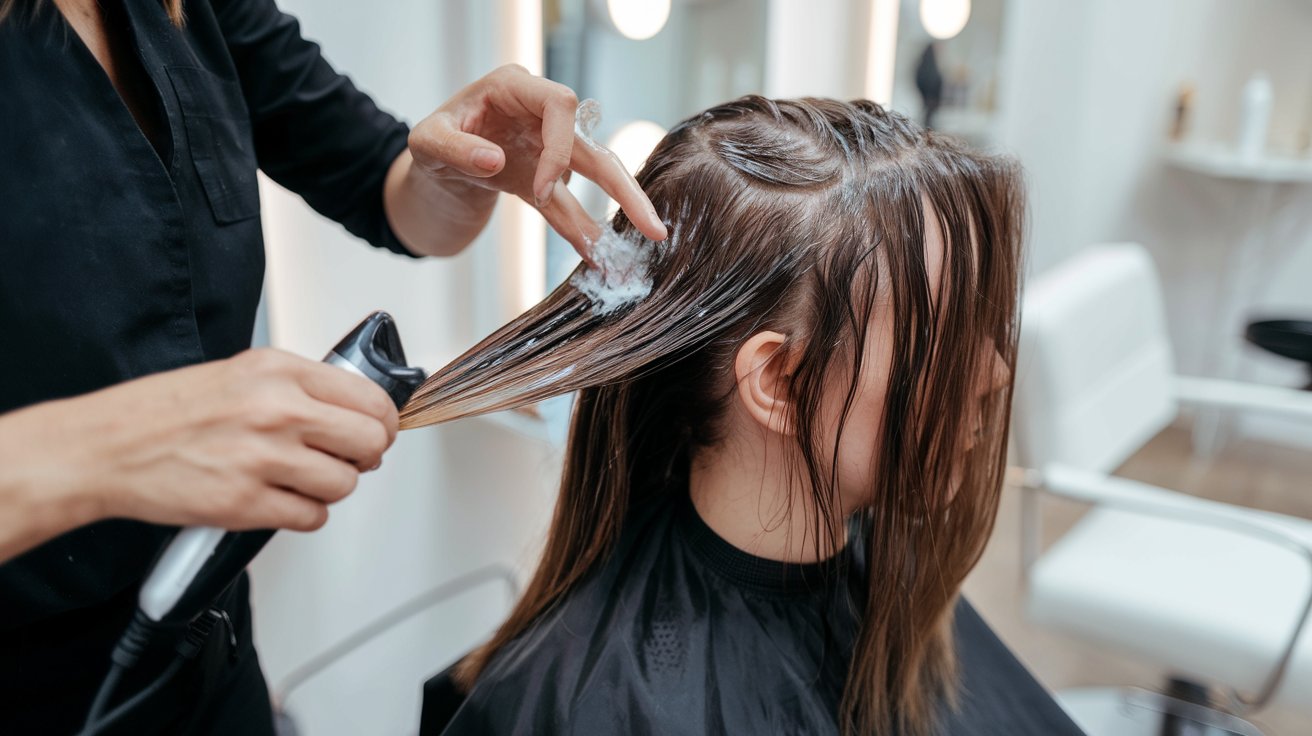
Sectioning hair during application ensures even distribution and maximum benefit from each treatment. Heat application, whether from caps or warm towels, can enhance ingredient penetration by up to 50%. However, some treatments work better at room temperature, making it essential to follow specific product instructions for achieving healthy hair results.
Weekly Treatment Schedules
Establishing a consistent weekly schedule maximizes treatment benefits while preventing overprocessing. Most hair care experts recommend alternating between moisture and protein treatments to maintain proper hair balance. A typical schedule might include a deep conditioning mask one week and a protein treatment the following week, with leave-in treatments used daily for ongoing repair of damaged hair.
Proper Application Methods
Effective application starts with properly prepared hair, typically shampooed and 70% dry for maximum product absorption. Working treatments through hair with a wide-tooth comb ensures even distribution, while focusing extra product on mid-lengths and ends targets the most damaged areas. Processing time should be strictly followed, as longer isn’t always better and can sometimes cause adverse effects.
Preventing Future Hair Damage
Prevention remains the most effective strategy for maintaining healthy hair and reducing the need for intensive treatments. Heat protectants should be used before any thermal styling, with temperatures kept below 350°F for most hair types. Regular trims every 6-8 weeks prevent split ends from traveling up the hair shaft, reducing overall damage accumulation.
Environmental protection through UV-filtering products and protective hairstyles can significantly reduce daily damage exposure. Swimming caps in chlorinated pools and silk pillowcases for overnight protection represent simple but effective preventive measures. A comprehensive approach to hair treatment for damaged hair includes both corrective treatments and ongoing preventive care for lasting results.
Related video about hair treatment for damaged hair
This video complements the article information with a practical visual demonstration.
Essential Q&A about hair treatment for damaged hair
What hair treatment is best for damaged hair?
The best hair treatment for damaged hair depends on your specific damage type and hair characteristics. For severe chemical damage, professional Olaplex treatments offer molecular-level repair. For daily maintenance, leave-in treatments like K18 provide continuous protection. Deep conditioning masks work well for dryness, while protein treatments address structural weakness. Combining multiple approaches typically yields the best results.
How can I repair my damaged hair at home?
Home hair repair involves consistent use of quality treatments matched to your damage type. Start with weekly deep conditioning masks and incorporate leave-in treatments for daily protection. Natural options like coconut oil treatments can be effective when used properly. The key is patience and consistency, as hair repair typically takes 8-12 weeks of regular treatment to show significant improvement.
Can you heal already damaged hair completely?
While you cannot completely reverse hair damage at the molecular level, effective treatments can significantly improve hair’s appearance, feel, and manageability. Treatments can fill in gaps in damaged cuticles, add protective coatings, and strengthen weakened areas. The hair that grows from your scalp will be healthy, so with proper treatment and time, your entire head of hair can return to optimal condition.
How long does it take to get healthy hair again?
Hair repair timelines vary based on damage severity and treatment consistency. Minor damage may show improvement in 4-6 weeks, while severe damage typically requires 3-6 months of consistent treatment. Since hair grows approximately half an inch per month, completely replacing damaged hair with new, healthy growth takes 1-2 years for shoulder-length hair. However, treatments can dramatically improve existing damaged hair much sooner.
How often should I do hair treatments for damaged hair?
Treatment frequency depends on your hair’s condition and the type of treatment used. Deep conditioning masks should be used weekly, protein treatments every 2-4 weeks, and leave-in treatments can be used daily. Over-treating can cause protein overload or moisture imbalance, so it’s important to monitor your hair’s response and adjust frequency accordingly. Start conservatively and increase as needed.
Are expensive salon treatments worth it for damaged hair?
Professional salon treatments often provide more dramatic and immediate results than at-home options, making them worthwhile for severely damaged hair. Treatments like Olaplex, Brazilian keratin, or professional deep conditioning can cost $150-400 but may accomplish in one session what takes months with at-home products. For moderate damage, quality at-home treatments combined with occasional professional services offer the best value.
| Treatment Type | Best For | Expected Results |
|---|---|---|
| Professional Keratin Treatment | Severe damage, frizz control | 95% frizz reduction, 3-4 months duration |
| At-Home Deep Conditioning | Moderate damage, weekly maintenance | 60-80% improvement in 12 weeks |
| Leave-In Molecular Repair | Daily protection, fine hair | Continuous improvement with daily use |
| Natural Oil Treatments | Sensitive scalp, budget-friendly | 40% protein loss reduction, gentle repair |