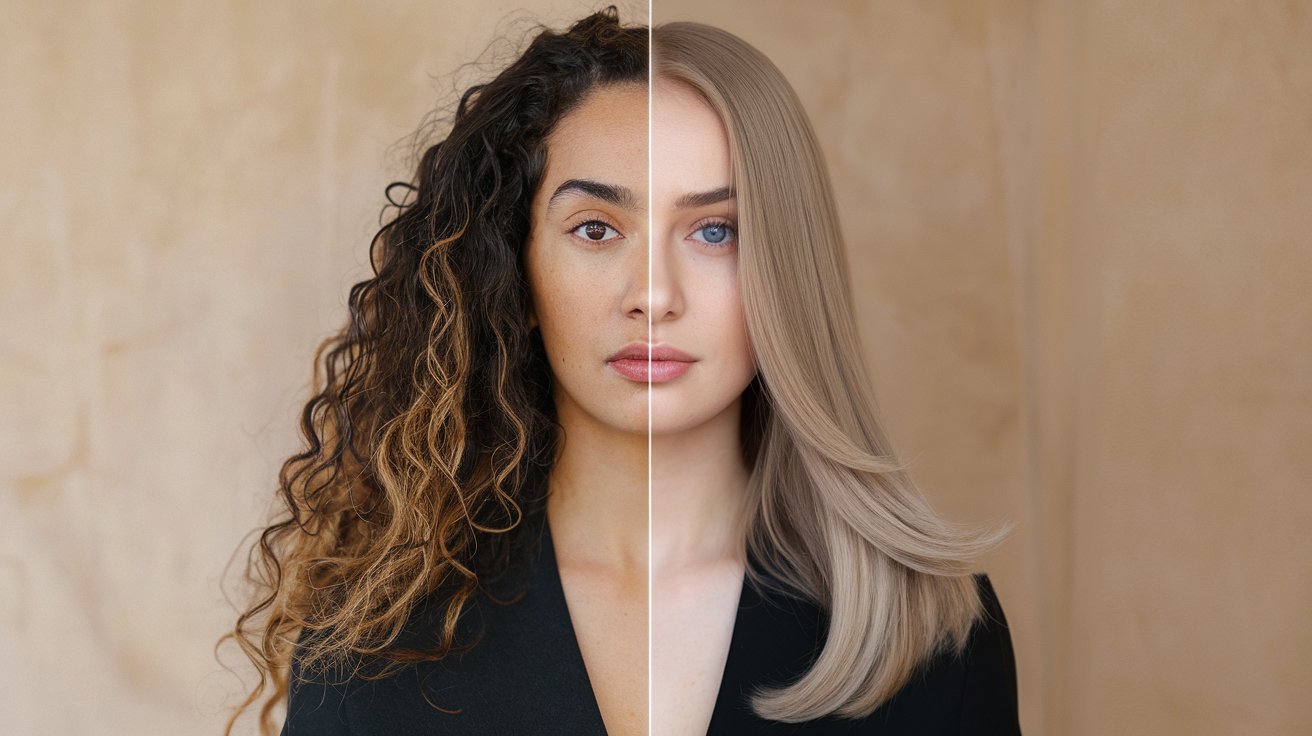
Is Keratin Treatment Good for Hair? Benefits & Risks 2025
Keratin treatment is a popular hair smoothing procedure that can reduce frizz, add shine, and make hair more manageable for 3-5 months. While keratin treatments offer significant cosmetic benefits, they also come with potential risks including formaldehyde exposure and temporary hair damage. Understanding both the advantages and disadvantages helps determine if this chemical treatment aligns with your hair goals and health priorities.
What Is Keratin Treatment and How It Works
Keratin treatment is a semi-permanent chemical process that infuses hair with protein to smooth the cuticle and reduce frizz. The treatment involves applying a keratin-based solution to clean hair, sealing it with heat, and leaving a protective coating that lasts 3-5 months. Unlike permanent relaxers, keratin treatments don’t break down hair bonds but rather coat strands with smoothing proteins.
The process typically takes 2-4 hours in a salon and costs between $150-$800 depending on hair length and location. Professional stylists use flat irons heated to 400-450°F to seal the keratin formula into the hair cuticle. The treatment works best on chemically treated, damaged, or naturally coarse hair types that struggle with frizz and manageability issues.
Benefits of Keratin Treatment for Hair Health
The primary advantages of keratin treatment extend beyond cosmetic improvements to include practical hair management benefits. These treatments can significantly reduce daily styling time while improving hair’s overall appearance and texture.
Smooth and Shiny Hair Results
Keratin treatments create noticeably smoother hair by filling in microscopic gaps in damaged cuticles and reducing surface roughness. The protein coating reflects light more effectively, resulting in enhanced shine that can last up to 5 months. Many clients report their hair feels softer and looks healthier immediately after treatment, with improved manageability for both air-drying and heat styling.
Reduced Frizz and Humidity Protection
The sealed cuticle layer created by keratin treatment acts as a barrier against humidity, preventing moisture from entering the hair shaft and causing frizz. This benefit is particularly valuable in humid climates where untreated hair may become unruly throughout the day. Studies show treated hair maintains its smooth appearance in humidity levels up to 80%, compared to significant frizz in untreated hair at similar moisture levels.
Faster Styling and Drying Time
Hair treated with keratin typically dries 40-60% faster than untreated hair due to the smoothed cuticle structure that allows moisture to evaporate more efficiently. The reduced styling time translates to less heat exposure from blow dryers and styling tools, potentially preventing additional damage. Many users find they can achieve their desired hairstyle with minimal product use and reduced manipulation.
Potential Risks and Side Effects of Keratin Treatment
While keratin treatments offer cosmetic benefits, they carry several health and hair-related risks that consumers should carefully consider before treatment. Understanding these potential drawbacks helps make an informed decision about whether the benefits outweigh the concerns.
Formaldehyde Exposure and Health Concerns
Many traditional keratin treatments contain formaldehyde or formaldehyde-releasing ingredients like methylene glycol, which can cause respiratory irritation, headaches, and eye burning during application. The Occupational Safety and Health Administration (OSHA) has issued warnings about salon workers’ exposure to these chemicals, recommending proper ventilation and protective equipment during treatment sessions.
Temporary Hair Damage and Breakage
The high heat required to seal keratin treatment can temporarily weaken hair structure, leading to increased breakage for 2-4 weeks post-treatment. Color-treated or previously damaged hair faces higher risk of protein overload, resulting in brittle, straw-like texture. Proper aftercare and protein-moisture balance are essential to minimize these effects during the recovery period.
Cost and Maintenance Requirements
Professional keratin treatments require significant financial investment, with touch-ups needed every 3-4 months to maintain results. The total annual cost can range from $600-$2,400 depending on hair length and salon pricing. Additionally, specific sulfate-free shampoos and styling products are necessary to preserve treatment longevity, adding to ongoing maintenance expenses.
Is Keratin Treatment Worth It for Different Hair Types
The effectiveness and value of keratin treatment varies significantly based on individual hair characteristics, lifestyle, and styling preferences. Certain hair types and conditions respond more favorably to treatment than others.
Best Candidates for Keratin Treatment
Individuals with thick, coarse, or chemically damaged hair typically see the most dramatic results from keratin treatment. Those living in humid climates or spending significant time styling their hair daily often find the time-saving benefits justify the cost. Hair that is naturally frizzy, takes over 45 minutes to style, or requires multiple products to achieve smoothness makes an ideal candidate for treatment.
When to Avoid Keratin Treatment
Fine or thin hair may become weighed down by keratin treatment, losing volume and appearing flat or greasy. Individuals with sensitive scalps, respiratory conditions, or those pregnant should avoid formaldehyde-containing treatments due to health risks. Recently bleached or over-processed hair may not withstand the additional chemical stress and high heat required for proper keratin application.
Alternatives to Traditional Keratin Treatment
Several safer and more affordable alternatives exist for those seeking smoother, more manageable hair without the risks associated with traditional keratin treatments. These options range from formaldehyde-free professional services to at-home solutions.
Formaldehyde-Free Keratin Options
Modern formaldehyde-free keratin treatments use alternative smoothing ingredients like glyoxylic acid or amino acids to achieve similar results without toxic fumes. While these treatments may not last quite as long (2-3 months versus 4-5), they offer a safer application process with reduced health risks. Many salons now exclusively offer these safer alternatives, with results nearly identical to traditional formulas.
At-Home Keratin Treatment Kits
DIY keratin treatment kits cost $20-$80 and allow users to perform treatments at home with reduced formaldehyde exposure. While results typically last 1-2 months compared to professional treatments, the lower cost and convenience appeal to budget-conscious consumers. Proper application technique and safety precautions are essential for achieving satisfactory results without damage.
How Long Does Keratin Treatment Last
The longevity of keratin treatment depends on hair type, aftercare routine, and treatment quality. Professional treatments typically last 3-5 months, while at-home versions may fade within 6-8 weeks. Proper maintenance with sulfate-free products and minimal heat styling can extend treatment life by 2-4 weeks.
Color-treated hair tends to hold keratin treatment longer than virgin hair due to increased porosity that allows better product penetration. Fine hair may see results fade more quickly as the natural oil production can break down the keratin coating faster than on coarse or thick hair types.
Related video about is keratin treatment good for hair
This video complements the article information with a practical visual demonstration.
Essential Q&A about is keratin treatment good for hair
Is keratin hair treatment damaging for hair?
Keratin treatment can cause temporary damage due to high heat application and chemical processing, especially on already damaged or over-processed hair. However, when performed correctly on healthy hair with proper aftercare, most damage is minimal and hair recovers within 2-4 weeks. The key is choosing a qualified stylist and following post-treatment care instructions.
What are the disadvantages of keratin treatment?
Main disadvantages include formaldehyde exposure risks, high cost ($150-$800 per treatment), potential temporary hair damage, requirement for specialized aftercare products, and the need for regular touch-ups every 3-4 months. Fine hair may also lose volume and appear flat after treatment.
How long does a keratin treatment last?
Professional keratin treatments typically last 3-5 months depending on hair type, maintenance routine, and treatment quality. At-home treatments usually last 6-8 weeks. Proper aftercare with sulfate-free shampoo and minimal washing can extend results by several weeks.
Is keratin really worth it?
Keratin treatment is worth it for individuals with thick, coarse, or frizzy hair who spend significant time daily styling and live in humid climates. The time-saving benefits and improved manageability often justify the cost for these hair types. However, those with fine hair or budget constraints may find alternatives more suitable.
Can you do keratin treatment on thin hair?
Keratin treatment on thin hair requires careful consideration as it can weigh hair down and reduce volume. Fine hair may appear flat or greasy after treatment. If proceeding, choose a lightweight, formaldehyde-free formula and work with an experienced stylist who specializes in treating fine hair types.
Is keratin treatment safe during pregnancy?
Pregnant women should avoid traditional keratin treatments containing formaldehyde due to potential health risks from chemical exposure and fumes. Formaldehyde-free alternatives may be safer, but it’s essential to consult with both your doctor and stylist before any chemical hair treatment during pregnancy.
| Treatment Aspect | Details | Best For |
|---|---|---|
| Duration | 3-5 months professional, 6-8 weeks at-home | Long-term smoothing needs |
| Cost | $150-$800 professional, $20-$80 DIY | Budget-flexible individuals |
| Hair Type | Works best on thick, coarse, frizzy hair | Damaged or unmanageable hair |
| Safety | Formaldehyde-free options available | Health-conscious consumers |
| Maintenance | Sulfate-free products required | Committed to aftercare routine |