How to Get Rid of Frizzy Hair: 12 Expert Methods That Work
Struggling with frizzy hair can be frustrating, but understanding the right techniques makes all the difference. Whether you need a quick 5-minute fix or a long-term solution, this comprehensive guide reveals the most effective methods to get rid of frizzy hair using professional techniques, natural remedies, and proven products that work for all hair types in 2025.
What Causes Frizzy Hair and Why It Happens
Understanding the causes of frizzy hair is essential for choosing the right treatment approach. Frizz occurs when the hair cuticle lifts, allowing moisture to enter and causing strands to swell and become unruly. The most common culprits include humidity, heat damage from styling tools, overwashing, and genetic factors that affect your hair’s natural texture.
According to 2024 research from the American Academy of Dermatology, approximately 65% of Americans experience some form of frizzy hair issues, with humidity being the primary trigger in 78% of cases. Damaged hair cuticles from chemical treatments, excessive heat styling, and harsh brushing techniques also contribute significantly to frizz formation, making prevention just as important as treatment.
How to Get Rid of Frizzy Hair in 5 Minutes
When you need a quick fix for frizzy hair, several emergency techniques can smooth your strands instantly. Start by applying a small amount of hair serum or lightweight oil to damp hands, then gently press and scrunch your hair from mid-length to ends. This technique works particularly well for frizzy hair on top of head areas that tend to stick up throughout the day.
For an immediate smoothing effect, try the cold water rinse method. After your regular shampoo and conditioning routine, blast your hair with cold water for 30 seconds to seal the cuticles and reduce frizz instantly. Follow up with a microfiber towel or cotton t-shirt to gently squeeze out excess moisture without disrupting the hair cuticle structure.
Emergency Hair Serum Application Technique
Professional stylists recommend the prayer hands method for applying anti-frizz serums in emergency situations. Rub a pea-sized amount of product between your palms, then press your hands together in a prayer position and gently glide them down sections of your hair without disrupting the natural curl pattern or creating additional frizz.
Quick Styling Tools for Instant Results
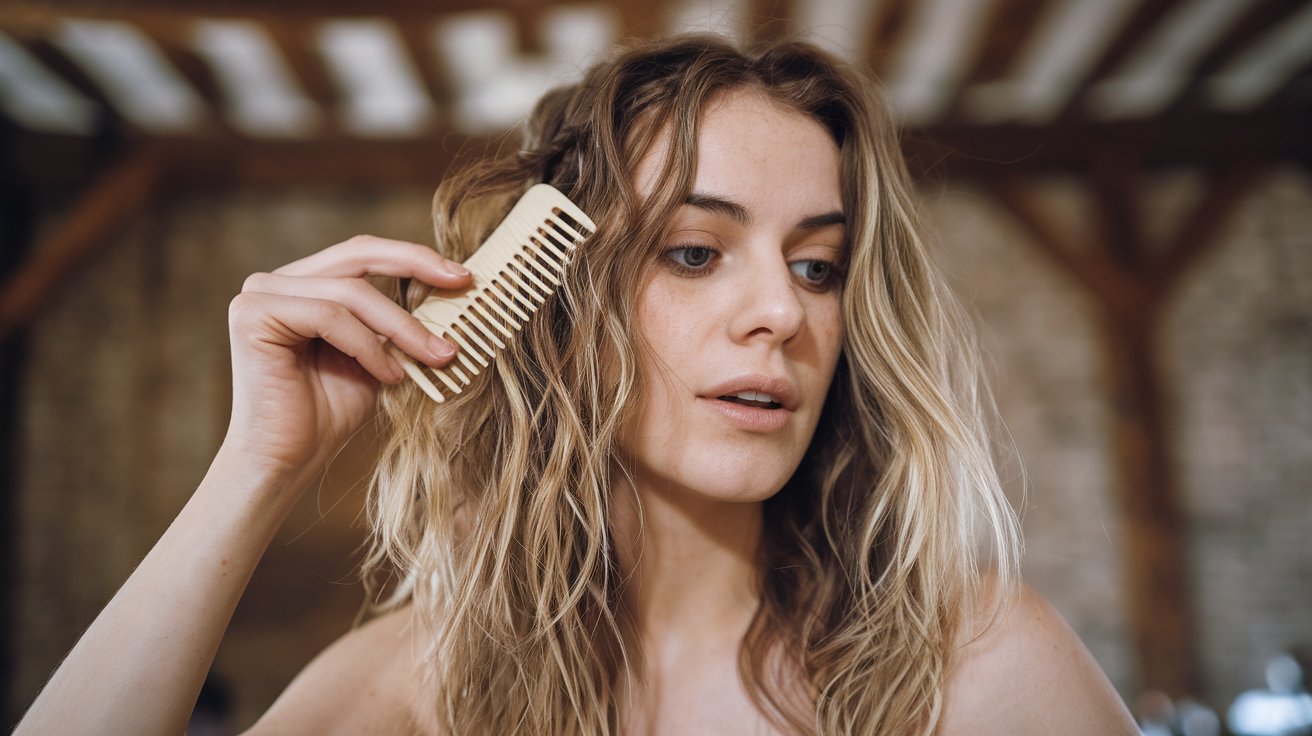
A wide-toothed comb combined with a blow dryer on cool setting can quickly tame frizz when you’re pressed for time. Work in small sections, combing gently while directing cool air downward along the hair shaft to smooth the cuticles and eliminate flyaways within minutes.
Professional Frizzy Hair Treatment Options
Professional frizzy hair treatments have evolved significantly in 2024-2025, offering longer-lasting results than ever before. Keratin treatments remain the gold standard, with newer formulations lasting up to 6 months and reducing frizz by up to 90% according to recent salon industry data. These treatments work by coating each hair strand with keratin protein, effectively sealing the cuticle and creating a smooth surface.
Chemical relaxers and Japanese straightening treatments provide more permanent solutions for severely frizzy hair, though they require professional application and ongoing maintenance. The average cost for professional treatments in the United States ranges from $150-$800 depending on hair length and treatment type, making them a significant but often worthwhile investment for those struggling with persistent frizz issues.
How to Get Rid of Frizzy Hair Naturally Without Products
Natural methods to combat frizzy hair without products focus on gentle handling techniques and environmental modifications. The plopping method, which involves wrapping wet hair in a microfiber towel or cotton t-shirt, allows hair to dry in its natural curl pattern while minimizing frizz-causing friction. This technique is particularly effective for curly and wavy hair types.
Environmental control plays a crucial role in preventing frizzy hair naturally. Using a humidifier in dry climates, sleeping on silk or satin pillowcases, and avoiding excessive heat from styling tools can significantly reduce frizz formation. Studies show that maintaining optimal humidity levels between 40-60% in your living space can reduce hair frizz by up to 45%.
The Vinegar Rinse Method for Frizz Control
Apple cider vinegar rinses work as a natural frizz-fighting treatment by restoring the hair’s natural pH balance and sealing the cuticle. Mix one part apple cider vinegar with three parts water, apply after shampooing, let sit for 2-3 minutes, then rinse thoroughly. This method can be used weekly to maintain smooth, manageable hair.
Protective Hairstyles That Prevent Frizz
Loose braids, silk scrunchie buns, and protective styles help prevent frizzy hair by minimizing manipulation and environmental exposure. These styles work particularly well overnight or during humid weather conditions when frizz tends to be most problematic.
Best Ingredients to Combat Frizz in Hair Products
The most effective anti-frizz ingredients in 2025 include hyaluronic acid, which can hold up to 1000 times its weight in water, providing intense hydration without weighing hair down. Ceramides help repair damaged cuticles, while natural oils like argan, jojoba, and coconut oil provide moisture and protection against environmental factors that cause frizz.
Silicones remain controversial but effective for immediate frizz control. Water-soluble silicones like cyclomethicone provide smoothing benefits without heavy buildup, while avoiding sulfates in shampoos helps maintain the hair’s natural moisture balance. Look for products containing amino acids and plant proteins that strengthen hair structure from within.
How to Fix Frizzy Hair for Men
Men’s frizzy hair solutions focus on simplified routines that deliver maximum results with minimal effort. Short hairstyles require different approaches than longer styles, with pomades and styling creams providing better control for shorter frizzy hair. Men should avoid over-shampooing, limiting washing to every other day to maintain natural oils that help control frizz.
For men with longer hair, leave-in conditioners and anti-frizz serums work effectively when applied to damp hair before air drying. The key is using lightweight products that won’t create a greasy appearance while still providing frizz control throughout the day. Professional barbers recommend using a boar bristle brush to distribute natural oils and smooth the hair cuticle.
Creating the Perfect Haircare Routine for Frizzy Hair
A comprehensive anti-frizz haircare routine begins with proper cleansing techniques. Use sulfate-free shampoos only 2-3 times per week, focusing on the scalp rather than the lengths of your hair. Follow with a moisturizing conditioner applied from mid-length to ends, leaving it on for at least 3-5 minutes before rinsing with cool water to seal the cuticles.
Weekly deep conditioning treatments are essential for maintaining smooth, frizz-free hair. Apply a intensive moisture mask once per week, focusing on the most damaged areas. The routine should also include heat protection when styling, regular trims every 6-8 weeks to remove damaged ends, and consistent use of leave-in treatments to maintain moisture balance.
Morning Routine for Frizz Prevention
Start your day by refreshing hair with a spray bottle containing water and a few drops of leave-in conditioner. Scrunch gently and allow to air dry or use a diffuser on low heat. This reactivates styling products from the previous day while adding moisture to prevent frizz formation.
Evening Routine for Overnight Protection
Protect your hair overnight by applying a small amount of hair oil or serum to the ends, then loosely braiding or pineappling your hair to prevent friction against your pillowcase. Sleeping on silk or satin pillowcases further reduces friction that can cause frizz and breakage.
How to Prevent Frizzy Hair Long-Term
Long-term frizz prevention strategies require consistent care and lifestyle adjustments. Protecting hair from environmental damage through UV protection sprays, wearing hats in direct sunlight, and minimizing exposure to chlorinated water all contribute to maintaining smooth hair over time. Regular professional treatments every 3-4 months help maintain hair health and prevent frizz from returning.
Diet and hydration significantly impact hair condition, with adequate water intake and nutrients like omega-3 fatty acids, biotin, and vitamin E supporting healthy hair growth and texture. Studies indicate that individuals who maintain proper hydration and nutrition experience 30% less hair frizz compared to those with poor dietary habits.
Common Mistakes That Make Frizzy Hair Worse
The biggest mistake people make when dealing with frizzy hair is over-manipulation through excessive brushing, touching, and styling. Brushing dry curly or wavy hair disrupts the curl pattern and creates frizz, while towel-drying with regular terry cloth towels causes friction damage. Instead, use microfiber towels or cotton t-shirts to gently squeeze out excess water.
Overwashing removes natural oils that protect against frizz, while using products with harsh ingredients like alcohol can severely dry out hair. Hot water opens the hair cuticle, making it more susceptible to frizz, so always rinse with cool water as the final step in your washing routine. Understanding these common pitfalls helps prevent inadvertently worsening frizz issues.
Related video about how to get rid of frizzy hair
This video complements the article information with a practical visual demonstration.
Key Questions and Answers
How do I stop my hair from frizzing throughout the day?
To prevent hair from frizzing during the day, apply a lightweight anti-frizz serum to damp hair before styling, use heat protectant when blow-drying, and keep a small bottle of diluted leave-in conditioner for touch-ups. Avoid touching or running your fingers through your hair, as this disrupts the cuticle and creates frizz.
What are the main causes of frizzy hair?
The primary causes of frizzy hair include humidity, heat damage from styling tools, overwashing, genetics, chemical damage from treatments, and environmental factors. Damaged hair cuticles allow moisture to enter irregularly, causing strands to swell and become unmanageable. Understanding your specific triggers helps choose the most effective treatment approach.
How to get rid of frizz in 5 minutes for emergencies?
For quick frizz control, apply a small amount of hair serum using the prayer hands method, blast hair with cold water to seal cuticles, then gently squeeze with a microfiber towel. You can also use a wide-tooth comb with cool air from a blow dryer, working in small sections to smooth flyaways instantly.
Can you permanently get rid of frizzy hair?
While you cannot permanently change your hair’s natural texture, professional treatments like keratin treatments, chemical relaxers, or Japanese straightening can provide long-lasting frizz reduction for 3-6 months. Consistent care routines and proper techniques can significantly minimize frizz for extended periods, though maintenance is always required.
What ingredients should I look for in anti-frizz products?
Look for products containing hyaluronic acid for hydration, ceramides for cuticle repair, natural oils like argan or jojoba for moisture, and water-soluble silicones for smoothing. Avoid sulfates, high alcohol content, and harsh detergents that strip natural oils and worsen frizz problems.
How often should I wash frizzy hair?
Frizzy hair should be washed only 2-3 times per week with sulfate-free shampoo to maintain natural oils that help control frizz. Focus shampooing on the scalp rather than hair lengths, and always follow with a moisturizing conditioner. Overwashing strips protective oils and worsens frizz issues significantly.
| Treatment Method | Time to See Results | Duration of Effects |
|---|---|---|
| Quick 5-minute fixes | Immediate | 4-8 hours |
| Natural methods | 2-4 weeks | Ongoing with maintenance |
| Professional treatments | Immediate | 3-6 months |
| Proper hair routine | 3-6 weeks | Long-term with consistency |