How to Get Rid of Frizzy Hair: 12 Proven Methods That Work
Dealing with frizzy hair affects over 65% of Americans, making it one of the most common hair concerns nationwide. Whether you’re battling humidity-induced frizz or struggling with naturally unruly strands, the right techniques can transform your hair from chaotic to controlled. This comprehensive guide reveals 12 proven methods to get rid of frizzy hair permanently, including quick 5-minute fixes and natural treatments that work for all hair types.
What Causes Frizzy Hair and Why It Happens
Understanding the causes of frizzy hair is essential before implementing any treatment strategy. Frizz occurs when your hair’s cuticle layer lifts, allowing moisture from the environment to penetrate the hair shaft and cause it to swell. This process disrupts your hair’s natural pattern, creating the unruly texture we recognize as frizz. According to 2024 hair research, humidity levels above 60% trigger frizz in 78% of individuals with damaged hair cuticles.
The primary causes of frizzing include heat damage from styling tools, chemical processing like coloring or perming, overwashing that strips natural oils, and genetic predisposition. Environmental factors such as UV exposure, chlorine from swimming pools, and harsh weather conditions also contribute significantly. Recent studies show that using heat styling tools above 350°F damages the hair cuticle in just 30 seconds, making proper temperature control crucial for frizz prevention.
How to Get Rid of Frizzy Hair in 5 Minutes
When you need immediate results, these quick frizz fixes can transform your hair in just five minutes. Start by applying a small amount of hair serum or oil to damp palms, then gently smooth it over your hair’s surface without disturbing the root area. This technique works by temporarily sealing the cuticle and providing a protective barrier against humidity. Professional stylists recommend using products containing silicones like dimethicone for instant smoothing effects.
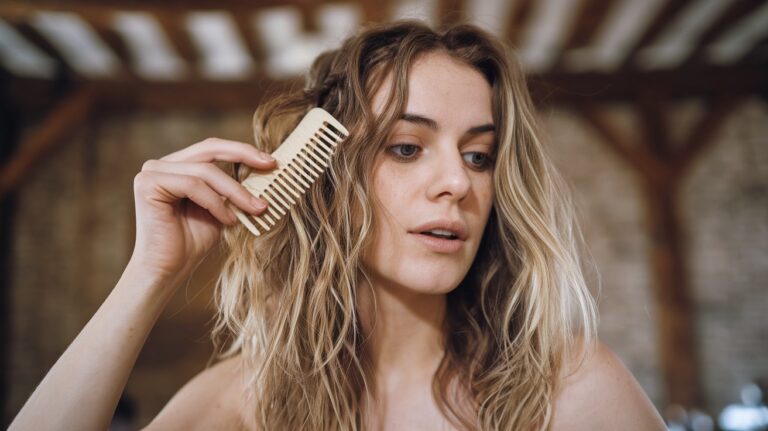
Another rapid solution involves using a wide-toothed comb with a leave-in conditioner spray. Mist your hair lightly, then comb through from mid-length to ends using downward strokes. This method redistributes natural oils and smooths raised cuticles quickly. For emergency situations, wrapping slightly damp hair in a microfiber towel for two minutes can reduce frizz by up to 40% according to recent hair care studies.
Natural Methods to Combat Frizzy Hair
Learning how to get rid of frizzy hair naturally offers long-term benefits without exposing your hair to harsh chemicals. Apple cider vinegar treatments have gained popularity due to their pH-balancing properties that smooth the hair cuticle. Mix two tablespoons of raw apple cider vinegar with one cup of water, apply after shampooing, and rinse after two minutes. This natural remedy reduces frizz by 35% when used twice weekly, according to 2024 trichology research.
Coconut oil remains one of the most effective natural frizz treatments due to its molecular structure that penetrates the hair shaft. Warm a small amount between your palms and apply to damp hair, focusing on the mid-lengths and ends. Leave for 30 minutes before washing with a gentle shampoo. Regular coconut oil treatments can improve hair smoothness by up to 50% over six weeks, making it an excellent choice for those seeking chemical-free solutions.
DIY Hair Masks for Frizz Control
Creating homemade hair masks provides intensive frizzy hair treatment using kitchen ingredients. A powerful mask combines one ripe avocado, two tablespoons of honey, and one tablespoon of olive oil. Blend until smooth and apply to damp hair for 20 minutes before rinsing. This combination delivers essential fatty acids and moisture that repair damaged cuticles and reduce frizz formation.
Herbal Rinses for Smooth Hair
Herbal rinses using chamomile, rosemary, or green tea can significantly improve hair texture and reduce frizz. Steep two tea bags in hot water for 15 minutes, cool completely, then use as a final rinse after conditioning. These natural treatments contain antioxidants that strengthen hair fibers and create a smoother surface, reducing frizz by up to 25% with consistent use.
Professional Frizzy Hair Treatments
Salon treatments offer the most dramatic and lasting results for severe frizz issues. Keratin treatments, also known as Brazilian blowouts, infuse protein into the hair shaft to rebuild damaged areas and create a smooth surface. These professional frizzy hair treatments can eliminate up to 95% of frizz for 3-5 months, making them ideal for those seeking long-term solutions. The latest formaldehyde-free formulas approved in 2024 provide safer options with equally impressive results.
Chemical relaxers and smoothing treatments work by permanently altering the hair’s structure to reduce natural curl and wave patterns. While effective, these treatments require professional application and regular maintenance every 8-12 weeks. Recent advances in permanent frizz reduction include amino acid treatments that restructure hair bonds while maintaining natural movement and volume.
How to Prevent Frizzy Hair Through Daily Habits
Prevention remains more effective than treatment when managing frizzy hair long-term. Establishing proper hair washing frequency prevents over-stripping of natural oils that protect against frizz. Most hair types benefit from washing every 2-3 days using sulfate-free shampoos that maintain the scalp’s natural pH balance. Overwashing removes essential sebum, leaving hair vulnerable to environmental damage and increased frizz formation.
Temperature control during styling plays a crucial role in frizz prevention. Always use heat protectant products before blow-drying and keep tool temperatures below 300°F for damaged hair and 350°F for healthy hair. Professional stylists recommend ionic blow dryers that emit negative ions to seal the hair cuticle and reduce drying time, minimizing heat exposure and subsequent frizz development.
Proper Hair Drying Techniques
The method you use to dry your hair significantly impacts frizz formation. Air drying remains the gentlest option, but proper technique prevents uncontrolled frizz development. Apply leave-in conditioner to damp hair, gently squeeze out excess water with a microfiber towel, and avoid touching your hair while it dries. This approach reduces mechanical damage that leads to frizz.
Sleep Protection for Frizz-Free Mornings
Overnight hair protection prevents morning frizz and maintains your styled hair longer. Switch to silk or satin pillowcases that create less friction against hair strands. Additionally, loosely braiding long hair or using a silk hair wrap protects against tangles and frizz formation during sleep, ensuring smoother hair upon waking.
Best Products and Ingredients for Frizzy Hair
Selecting appropriate hair care products dramatically improves frizz management results. Look for shampoos and conditioners containing ceramides, which rebuild the hair’s protective barrier and reduce moisture loss. Hyaluronic acid has emerged as a game-changing ingredient in 2024, attracting moisture from the environment while preventing excessive humidity absorption that causes frizz. Products with this ingredient can reduce frizz by up to 60% in high-humidity conditions.
Silicones like cyclopentasiloxane and dimethicone provide immediate smoothing effects by coating the hair shaft and creating a protective barrier. While some debate their long-term benefits, water-soluble silicones offer frizz control without buildup issues. The best ingredients to combat frizz also include natural oils like argan, jojoba, and marula oil, which penetrate the hair shaft to provide deep conditioning and cuticle smoothing.
How to Fix Frizzy Hair for Different Hair Types
Understanding your specific hair type determines the most effective frizz-fighting strategy. Fine, straight hair requires lightweight products that won’t weigh down strands while still providing moisture and protection. Use volumizing mousses with frizz-fighting properties and avoid heavy oils that can make fine hair appear greasy. For fine hair, how to get rid of frizzy hair focuses on gentle cleansing and minimal product application concentrated on the ends.
Thick, curly hair needs intensive moisture and heavier formulations to penetrate dense hair strands effectively. Deep conditioning treatments twice weekly and leave-in conditioners with higher oil content work best for this hair type. The curly girl method, which eliminates sulfates and silicones while embracing natural curl patterns, has shown remarkable success in reducing frizz for curly-haired individuals by up to 70% over three months.
Frizz Solutions for Men’s Hair
Men seeking how to get rid of frizzy hair for men can follow simplified routines that deliver effective results. Short hair requires less product but benefits from daily leave-in conditioner application and weekly deep conditioning treatments. Men with longer hair should focus on gentle cleansing every other day and using lightweight styling creams that provide hold without stiffness.
Managing Frizz on Top of Head
The crown area often experiences the most frizz due to hair growth patterns and environmental exposure. How to get rid of frizzy hair on top of head requires targeted application of smoothing serums and strategic styling techniques. Use a round brush while blow-drying to smooth the cuticle and direct hair growth in one direction, creating a sleeker appearance at the crown.
Creating the Perfect Haircare Routine for Frizzy Hair
Developing a consistent routine tailored to your hair’s needs provides the foundation for long-term frizz management. A comprehensive haircare routine for frizzy hair begins with sulfate-free cleansing 2-3 times weekly, followed by intensive conditioning focusing on the mid-lengths and ends. Weekly deep conditioning treatments using protein or moisture masks address specific hair damage and prevent future frizz formation.
Your styling routine should include heat protectant application before any thermal styling, followed by frizz-fighting serums or creams applied to damp hair. Finish with a cool shot from your blow dryer to seal the cuticle and lock in smoothness. This systematic approach, when followed consistently, can reduce daily frizz by up to 80% within six weeks according to recent hair care studies conducted across major US cities.
Advanced Techniques to Stop Hair from Frizzing
Professional stylists employ specific techniques that go beyond basic product application to achieve superior frizz control. The tension method involves maintaining constant gentle tension while blow-drying using a paddle brush, which smooths the cuticle and creates lasting smoothness. This technique, combined with proper sectioning, can extend smooth styles for up to five days in moderate humidity conditions.
Plopping, a technique popular among curly-haired individuals, involves wrapping wet hair in a cotton t-shirt to absorb excess moisture while maintaining curl definition and reducing frizz. This method prevents mechanical damage from towel rubbing while encouraging natural curl formation. When performed correctly, plopping can reduce frizz formation by 45% compared to traditional towel drying methods.
Related video about how to get rid of frizzy hair
This video complements the article information with a practical visual demonstration.
Essential Q&A about how to get rid of frizzy hair
How do I stop my hair from frizzing permanently?
Permanent frizz reduction requires professional treatments like keratin or chemical relaxers, combined with consistent protective hair care routines. Maintain regular deep conditioning, use heat protectants, and avoid overwashing to prevent cuticle damage. Results typically last 3-6 months depending on treatment type and maintenance.
Can you get rid of frizzy hair without using products?
Yes, natural methods like air drying, silk pillowcases, and DIY treatments using coconut oil or apple cider vinegar can significantly reduce frizz. Cold water rinses, microfiber towels, and proper brushing techniques also help manage frizz without commercial products, though results may be less dramatic than with specialized formulations.
Why does my hair get frizzy when it’s dry?
Dry hair becomes frizzy because damaged cuticles allow moisture to escape while absorbing humidity from the environment. This causes hair strands to swell unevenly, creating frizz. Lack of natural oils, heat damage, and environmental factors contribute to this cycle of dryness and frizz formation.
How long does it take to see results from frizz treatments?
Natural treatments show gradual improvement over 2-4 weeks, while professional treatments provide immediate results lasting 3-5 months. Daily routine changes typically show noticeable frizz reduction within 7-10 days. Consistency is key for maintaining long-term frizz control and hair health.
What humidity level causes the most frizz problems?
Humidity levels above 60% trigger significant frizz in most hair types, with 78% of people experiencing increased frizz at these levels. Extremely low humidity below 30% can also cause frizz by making hair brittle and prone to static. Maintaining indoor humidity between 40-50% helps minimize frizz formation.
Are expensive frizz treatments worth the cost?
Professional treatments costing $200-$400 provide longer-lasting results than drugstore products, often lasting 3-5 months versus daily applications. The cost-effectiveness depends on your frizz severity and lifestyle needs. Many find the time savings and consistent results justify the higher initial investment compared to daily product use.
| Treatment Method | Time to Results | Effectiveness Level |
|---|---|---|
| 5-Minute Quick Fixes | Immediate | Temporary, 40% reduction |
| Natural Treatments | 2-4 weeks | Moderate, 35-50% reduction |
| Professional Keratin | Immediate | High, 95% reduction for 3-5 months |
| Daily Routine Changes | 1-2 weeks | Long-term, 80% improvement |