Shampoo vs Conditioner: Key Differences & Uses Explained
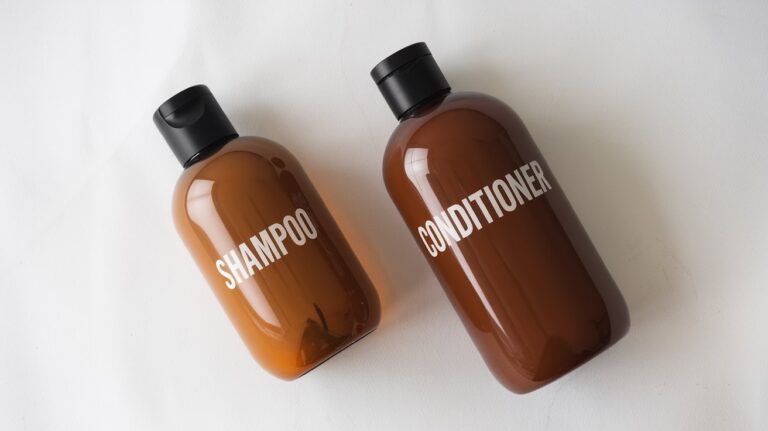
Understanding the difference between shampoo and conditioner is essential for maintaining healthy hair. While both are hair care essentials, they serve completely different purposes in your routine. Shampoo cleanses your scalp and hair by removing dirt, oil, and product buildup, while conditioner moisturizes and protects hair strands from damage. This comprehensive guide explains their unique functions, benefits, and proper application methods.
What is Shampoo Used For
Shampoo’s primary function is to cleanse your scalp and hair by removing excess oil, dirt, sweat, and styling product residue. The cleansing agents in shampoo, called surfactants, create a lather that lifts impurities from your hair shaft and scalp. Most modern shampoos contain ingredients like sodium lauryl sulfate or gentler alternatives like cocamidopropyl betaine that provide effective cleansing without excessive harshness.
Different shampoo formulations target specific hair concerns in the United States market. Clarifying shampoos remove heavy buildup, moisturizing shampoos add hydration to dry hair, and color-safe formulas protect chemically treated hair. According to 2024 hair care industry data, Americans spend approximately $4.2 billion annually on shampoo products, with sulfate-free options gaining 35% market growth.
What is Conditioner Used For
Conditioner works by depositing moisturizing and protective ingredients onto your hair cuticles, making strands smoother, softer, and more manageable. The cationic surfactants in conditioner are positively charged, allowing them to bind to negatively charged damaged areas of your hair. This process helps seal the hair cuticle and reduces friction between strands, preventing tangles and breakage.
Hair conditioner benefits extend beyond basic moisture. It provides thermal protection from styling tools, reduces static electricity, and enhances shine by smoothing the hair surface. Premium conditioners contain proteins like keratin, natural oils, and vitamins that penetrate the hair shaft to repair damage from environmental stressors, chemical treatments, and heat styling.
Shampoo vs Conditioner: Key Differences
The fundamental difference between shampoo and conditioner lies in their chemical composition and intended purpose. Shampoo contains anionic surfactants that create negative charges to lift away positively charged dirt and oil particles. In contrast, conditioner uses cationic ingredients that carry positive charges to attract and coat negatively charged damaged hair areas.
pH levels differ significantly between these products. Shampoos typically have a pH between 6-7, which is slightly acidic to effectively cleanse without over-stripping natural oils. Conditioners maintain a lower pH of 3.5-5.5, creating an acidic environment that helps close hair cuticles and lock in moisture. This pH difference explains why using both products together creates optimal hair health results.
Benefits of Shampoo vs Conditioner
Understanding the specific benefits of each product helps you make informed decisions about your hair care routine. Both serve essential but complementary roles in maintaining healthy hair and scalp conditions.
Benefits of Using Shampoo
Regular shampooing removes excess sebum that can clog hair follicles and lead to scalp irritation or dandruff. Clean hair appears more voluminous and maintains styles better throughout the day. For Americans dealing with pollution and styling product buildup, proper cleansing prevents hair from appearing greasy, flat, or dull. Quality shampoos also stimulate scalp circulation during massage application, promoting healthy hair growth.
Benefits of Using Conditioner
Conditioner application significantly reduces hair breakage by up to 70% according to 2024 trichology studies. It provides essential moisture replacement after shampooing, prevents color fading in treated hair, and creates a protective barrier against environmental damage. Regular conditioning improves hair elasticity, reduces split ends, and makes detangling easier, especially for longer hair lengths popular among American women.
How to Use Shampoo and Conditioner Properly
Proper application technique maximizes the effectiveness of both products. Start by thoroughly wetting hair with warm water to open cuticles and prepare for cleansing. Apply a quarter-sized amount of shampoo to your scalp, not the length of your hair, and massage gently with fingertips for 30-60 seconds. The foam will naturally cleanse your hair lengths as you rinse.
After rinsing shampoo completely, apply conditioner from mid-length to ends, avoiding the scalp area where it can cause greasiness. Use a wide-tooth comb to distribute the product evenly, then leave on for 2-3 minutes before rinsing with cool water to seal cuticles. This method ensures optimal cleansing and moisturizing while preventing product buildup or scalp irritation.
Conditioner or Shampoo First: The Right Order
The traditional shampoo first, then conditioner sequence remains the gold standard for most hair types. This order allows shampoo to cleanse effectively while conditioner seals and protects freshly cleaned hair. However, some hair professionals now recommend reverse washing for fine or oily hair types that get weighed down easily.
Using conditioner before shampoo can benefit people with very fine, thin, or easily over-conditioned hair. This technique involves applying conditioner first to provide protection during the cleansing process, then shampooing to remove excess conditioning agents. This method gained popularity in 2024 among American consumers seeking more volume and less buildup.
Can You Use Conditioner as Shampoo
Co-washing or conditioner-only washing has become increasingly popular, especially among people with curly, coily, or extremely dry hair. Some conditioners contain mild cleansing agents that can remove light buildup without stripping natural oils. However, regular conditioner cannot replace shampoo for thorough scalp cleansing or removing heavy product buildup.
For Americans with textured hair, co-washing 2-3 times per week with regular shampooing once weekly often provides optimal results. This approach maintains natural moisture levels while preventing over-drying. Products specifically formulated for co-washing contain balanced cleansing and conditioning properties, offering a middle ground between traditional shampoo and conditioner.
Do You Need Both Shampoo and Conditioner
Most hair types benefit from using both shampoo and conditioner regularly, though frequency may vary based on individual needs. People with oily hair might shampoo daily but condition every other day, while those with dry or chemically treated hair might shampoo 2-3 times weekly with consistent conditioning.
Skipping either product can lead to specific problems. Using only shampoo results in dry, tangled, and brittle hair prone to breakage. Using only conditioner leads to buildup, reduced volume, and potential scalp issues from inadequate cleansing. The combination provides optimal hair health by addressing both cleansing and moisturizing needs effectively.
Difference Between Conditioner and Hair Mask
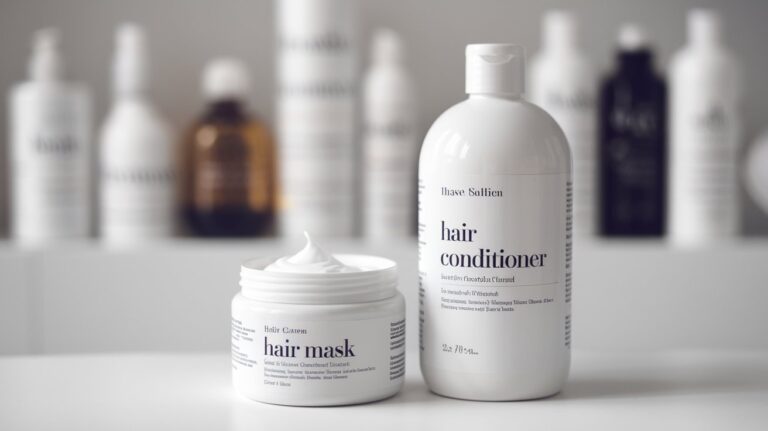
Regular conditioner and hair masks serve similar moisturizing purposes but differ in concentration and frequency of use. Daily conditioners provide light to moderate hydration and detangling benefits, while hair masks contain higher concentrations of active ingredients for intensive treatment.
Hair masks are typically used once or twice weekly for 10-20 minutes, delivering deep conditioning benefits that regular conditioner cannot achieve in 2-3 minutes. They often contain specialized ingredients like proteins, intensive moisturizers, or repair complexes that address specific damage concerns. Many Americans incorporate weekly hair masks as part of their self-care routine, especially during harsh winter months or after chemical treatments.
Best Practices for Different Hair Types
Fine hair requires lightweight formulas to avoid weighing down strands. Use clarifying shampoos weekly to prevent buildup and apply conditioner only to the bottom third of hair lengths. Thick or coarse hair benefits from moisturizing shampoos and rich, creamy conditioners that provide adequate hydration and smoothing benefits.
Color-treated hair needs sulfate-free shampoos and UV-protective conditioners to maintain vibrancy. Curly hair types thrive with sulfate-free cleansing and leave-in conditioning treatments. According to 2024 surveys, 68% of Americans now choose products specifically formulated for their hair type rather than using universal formulas, leading to better overall hair health outcomes.
Related video about what’s the difference between shampoo and conditioner
This video complements the article information with a practical visual demonstration.
Questions & Answers
Which is better shampoo or conditioner?
Neither is better than the other because shampoo and conditioner serve different essential purposes. Shampoo cleanses your scalp and removes buildup, while conditioner moisturizes and protects hair strands. Both products work together to maintain optimal hair health, and most people need both for complete hair care.
Is it better to wash hair with shampoo or conditioner?
It’s better to use both shampoo and conditioner in the correct sequence. Shampoo should be used first to cleanse the scalp and hair, followed by conditioner to moisturize and protect. Some people with very dry hair may benefit from co-washing with conditioner between regular shampoo sessions.
Can I use conditioner as shampoo?
You can use conditioner as a gentle cleanser for co-washing, but it cannot completely replace shampoo long-term. Conditioner lacks the strong cleansing agents needed to remove heavy buildup, excess oil, and impurities from your scalp. Most hair types need regular shampooing for proper cleansing.
Do I need both shampoo and conditioner?
Yes, most people need both shampoo and conditioner for optimal hair health. Shampoo removes dirt, oil, and product buildup that conditioner alone cannot eliminate. Conditioner provides essential moisture and protection that shampoo removes during cleansing. Using both products together creates the ideal balance for healthy hair.
Is shampoo or conditioner better for dandruff?
Medicated dandruff shampoo is better for treating dandruff because it contains active ingredients like zinc pyrithione, selenium sulfide, or ketoconazole that target the fungal causes of dandruff. While conditioner can soothe an irritated scalp, it cannot eliminate the root cause of dandruff like specialized anti-dandruff shampoos can.
How often should I use shampoo and conditioner?
Most people should shampoo 2-3 times per week and condition every time they wash their hair. Oily hair may require daily shampooing, while dry or chemically treated hair benefits from less frequent washing. Fine hair may need conditioning only on the ends, while thick or coarse hair typically needs conditioning from mid-length to ends.
| Product | Primary Function | Key Benefits |
|---|---|---|
| Shampoo | Cleanses scalp and hair, removes buildup | Clean scalp, volume, styling preparation |
| Conditioner | Moisturizes, protects, and smooths hair | Reduced breakage, shine, manageability |
| Both Together | Complete hair care system | Optimal hair health and appearance |