Shampoo vs Conditioner: Key Differences & When to Use Each
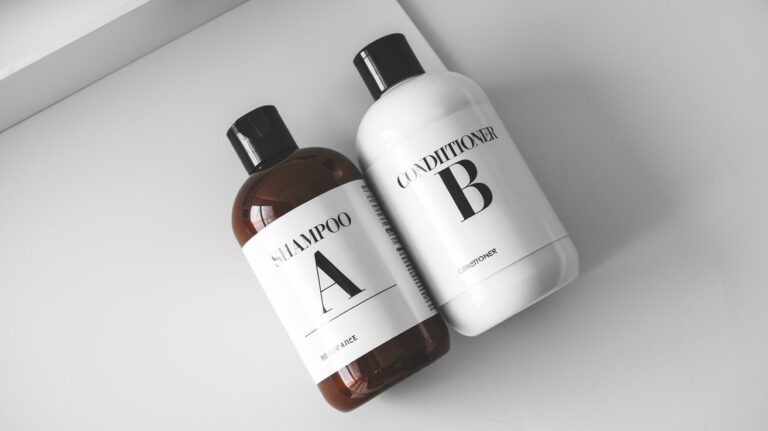
Understanding the difference between shampoo and conditioner is essential for maintaining healthy hair. While both are hair care staples, they serve completely different purposes: shampoo cleanses your scalp and removes buildup, while conditioner moisturizes and protects your hair strands. Using both products correctly can transform your hair health and appearance significantly.
What is Shampoo and How Does It Work
Shampoo is a cleansing agent specifically formulated to remove dirt, oil, product buildup, and environmental pollutants from your scalp and hair. The primary active ingredients in most shampoos are sulfates, which create the lathering action that helps wash away impurities. Modern shampoos in 2025 also contain conditioning agents, vitamins, and natural extracts to minimize stripping effects while maintaining cleansing power.
The pH level of shampoo typically ranges between 4.5 to 6.5, which is slightly acidic to match your hair’s natural pH. This acidic environment helps keep the hair cuticles flat, reducing frizz and maintaining shine. Professional-grade shampoos often include clarifying agents that provide deeper cleansing for those who use styling products regularly or live in areas with hard water.
What is Conditioner and Its Essential Role
Conditioner is a hair treatment product designed to moisturize, detangle, and protect your hair after shampooing. Unlike shampoo, conditioner contains cationic surfactants that have a positive charge, allowing them to bind to the negatively charged damaged areas of your hair. This process helps smooth the hair cuticle and creates a protective barrier against environmental damage and heat styling.
Modern conditioners in 2025 feature advanced ingredients like hydrolyzed proteins, ceramides, and natural oils that penetrate the hair shaft to repair damage from within. The molecular weight of these ingredients determines how deeply they can penetrate: smaller molecules provide internal repair, while larger ones coat the hair surface for immediate smoothness and shine.
Key Differences Between Shampoo and Conditioner
The fundamental difference between shampoo and conditioner lies in their chemical composition and intended function. Shampoo contains anionic surfactants (negatively charged) that attract and remove oil and dirt, while conditioner uses cationic surfactants (positively charged) that smooth and protect hair strands. This opposite charge system is why using both products creates the most effective hair care routine.
Application methods also differ significantly: shampoo should be massaged into the scalp and roots where oil production occurs, while conditioner should be applied from mid-length to ends where hair is oldest and most damaged. The contact time varies too – shampoo works immediately upon application, but conditioner benefits from 2-3 minutes of contact time for optimal absorption and effectiveness.
Benefits of Using Shampoo
Regular shampooing provides essential scalp health benefits that go beyond simple cleansing. It removes excess sebum that can clog hair follicles and lead to scalp conditions like dandruff or folliculitis. Clean hair follicles promote better hair growth and reduce the risk of scalp infections that can cause hair thinning or loss.
Quality shampoos also help maintain the natural pH balance of your scalp, which is crucial for healthy hair growth. In 2025, dermatologists recommend shampooing 2-3 times per week for most hair types, though those with oily scalps or active lifestyles may need daily cleansing. The key is choosing a sulfate-free shampoo if you have color-treated or chemically processed hair to prevent excessive drying.
Benefits of Using Conditioner
Conditioner benefits extend far beyond simple detangling, providing crucial protection against daily damage from brushing, styling, and environmental factors. Regular conditioning reduces hair breakage by up to 85% according to recent hair science studies, making it essential for maintaining hair length and preventing split ends from traveling up the hair shaft.
The protective coating that conditioner creates also shields hair from UV damage, pollution, and heat styling tools. This barrier function is particularly important for chemically treated hair, which is more porous and vulnerable to damage. Professional colorists recommend using conditioner after every shampoo session to maintain color vibrancy and prevent premature fading of hair treatments.
Do You Need Both Shampoo and Conditioner
The question do I need both shampoo and conditioner has a definitive answer: yes, for optimal hair health. Each product addresses different aspects of hair care that cannot be effectively combined into a single product. Attempting to use only shampoo leaves hair vulnerable to damage and tangling, while using only conditioner fails to remove buildup that can weigh hair down and cause scalp issues.
However, the frequency of use may vary based on your hair type and lifestyle. Those with very dry or damaged hair might benefit from conditioning more frequently than shampooing, while people with oily scalps may need to shampoo more often. The key is finding the right balance that keeps your scalp clean and your hair moisturized without over-processing either aspect.
Proper Application Techniques
Learning how to use shampoo and conditioner correctly maximizes their effectiveness and prevents common mistakes that can damage your hair. Start with lukewarm water to open the hair cuticles slightly, then apply shampoo primarily to your scalp and roots. Use your fingertips (not nails) to massage gently for 30-60 seconds, allowing the lather to cleanse the lengths of your hair as you rinse.
After thoroughly rinsing shampoo, apply conditioner from mid-length to ends, avoiding the scalp area where it can cause buildup and greasiness. Use a wide-tooth comb to distribute the product evenly and detangle gently while the conditioner is in your hair. Leave conditioner on for 2-3 minutes for regular formulas or up to 10 minutes for deep conditioning treatments before rinsing with cool water to seal the hair cuticles.
Should You Use Conditioner Before Shampoo
The technique of using conditioner before shampoo, known as reverse washing, has gained popularity in 2025, particularly among those with fine or easily weighed-down hair. This method involves applying conditioner first to provide protection during the cleansing process, then shampooing to remove any residue while maintaining moisture balance.
Reverse washing benefits include reduced heaviness in fine hair, better volume retention, and protection for damaged hair during the cleansing process. However, this technique isn’t suitable for everyone – those with very dry or coarse hair typically benefit more from the traditional shampoo-first approach. Experiment with both methods to determine which produces better results for your specific hair type and concerns.
Choosing the Right Products for Your Hair Type
Selecting the appropriate shampoo and conditioner combination depends on your specific hair type, scalp condition, and styling habits. Fine hair benefits from lightweight, volumizing formulas that won’t weigh hair down, while thick or coarse hair needs rich, moisturizing products that can penetrate dense hair strands effectively.
In 2025, personalized hair care has become more accessible, with many brands offering customizable formulas based on hair analysis. Consider factors like chemical processing, heat styling frequency, environmental exposure, and seasonal changes when selecting products. Those with color-treated hair should prioritize sulfate-free, color-safe formulas, while people with dandruff or scalp sensitivity need gentle, hypoallergenic options with specific active ingredients.
Common Mistakes to Avoid
Many people make critical errors in their shampoo and conditioner routine that can damage hair or reduce product effectiveness. Over-shampooing is one of the most common mistakes, stripping natural oils and causing the scalp to overproduce sebum in compensation. Similarly, applying conditioner to the scalp can cause buildup, clogged follicles, and greasiness that requires clarifying treatments to resolve.
Another frequent error is using water that’s too hot, which can damage the hair cuticle and cause color fading in treated hair. Always use lukewarm water for washing and cool water for final rinsing. Additionally, rushing the conditioning process by not allowing adequate contact time prevents the product from properly penetrating and protecting the hair shaft, reducing the overall benefits of your hair care routine.
Special Considerations for Different Hair Concerns
Specific hair concerns require targeted approaches to shampoo and conditioner selection. For dandruff issues, medicated shampoos containing zinc pyrithione or ketoconazole should be used 2-3 times per week, followed by a gentle, moisturizing conditioner to prevent over-drying. Those dealing with hair loss should look for products containing biotin, niacin, or caffeine that stimulate circulation while avoiding heavy conditioning agents that could weigh down thinning hair.
Chemically processed hair requires extra gentle formulas with protein treatments and deep moisturizing agents. Color-treated hair benefits from products with UV protection and antioxidants, while heat-damaged hair needs intensive repair formulas with ceramides and amino acids. Understanding these specific needs helps you choose products that address your individual hair challenges rather than using generic formulas that may not provide optimal results.
Related video about what’s the difference between shampoo and conditioner
This video complements the article information with a practical visual demonstration.
Essential Q&A about what’s the difference between shampoo and conditioner
Which is better shampoo or conditioner?
Neither is better than the other – they serve different essential functions. Shampoo cleanses your scalp and removes buildup, while conditioner moisturizes and protects your hair. Both are necessary for optimal hair health, and using them together provides the best results for maintaining clean, healthy, and manageable hair.
Can I use conditioner as shampoo?
Using conditioner as shampoo, called co-washing, can work for very dry or curly hair types but isn’t recommended for most people. Conditioner lacks the cleansing agents needed to remove oil, dirt, and product buildup effectively. This can lead to clogged follicles, scalp issues, and limp, greasy hair over time.
Is it better to wash hair with shampoo or conditioner first?
Traditional shampoo-first is best for most hair types. Shampoo cleanses the scalp and hair, then conditioner moisturizes and protects. However, reverse washing (conditioner first) can benefit fine hair that gets easily weighed down, as it provides protection during cleansing while preventing heaviness.
How often should I use shampoo and conditioner?
Most hair types benefit from shampooing 2-3 times per week and conditioning after each shampoo session. Oily hair may need daily shampooing, while very dry or chemically treated hair might only need shampooing twice per week. Conditioner should be used after every shampoo for optimal protection and moisture.
Is shampoo or conditioner better for dandruff?
Medicated shampoo is essential for treating dandruff, as it contains active ingredients like zinc pyrithione or ketoconazole that address the underlying causes. However, following with a gentle conditioner is important to prevent over-drying, which can actually worsen dandruff. The combination approach works best for managing scalp conditions.
| Product | Primary Function | Application Area | Key Benefits |
|---|---|---|---|
| Shampoo | Cleanses and removes buildup | Scalp and roots primarily | Clean scalp, healthy follicles, oil control |
| Conditioner | Moisturizes and protects | Mid-length to ends | Softness, detangling, damage protection |
| Both Together | Complete hair care system | Entire hair and scalp | Optimal health, manageability, shine |