Shampoo vs Conditioner: Key Differences & When to Use Each
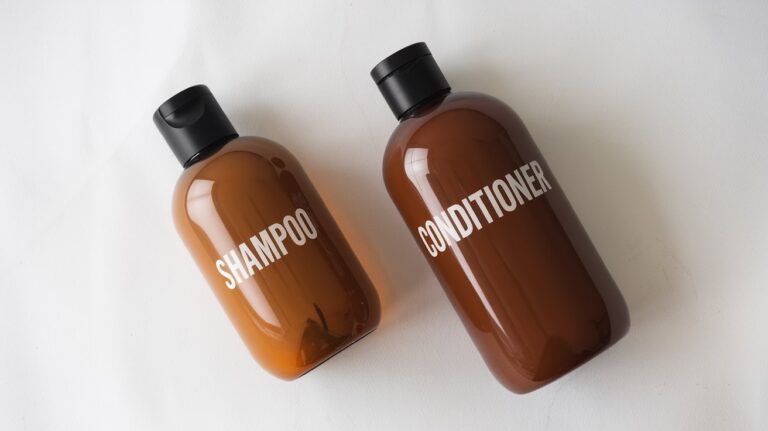
Understanding the difference between shampoo and conditioner is essential for maintaining healthy hair. While shampoo cleanses your scalp and removes dirt, oil, and product buildup, conditioner moisturizes and protects your hair strands. These two products work together synergistically – you need both for optimal hair health, not just one or the other.
What is Shampoo and How Does it Work
Shampoo is a cleansing product specifically formulated to remove dirt, excess oil, environmental pollutants, and styling product residue from your hair and scalp. The primary ingredients in shampoo include surfactants like sodium lauryl sulfate or gentler alternatives, which create lather and break down oils and debris. Modern shampoo formulations in 2025 often include sulfate-free options that clean effectively while being less harsh on color-treated or chemically processed hair.
The cleansing action works by lowering the surface tension between water and oils, allowing impurities to be rinsed away. Regular shampooing is necessary because sebaceous glands in your scalp produce natural oils that, while protective, can accumulate and make hair appear greasy. Most hair professionals recommend shampooing 2-3 times per week for normal hair types, though this varies based on hair texture, scalp condition, and lifestyle factors.
What is Conditioner and Its Essential Functions
Conditioner is a hair treatment product designed to smooth, moisturize, and protect the hair shaft after cleansing. Unlike shampoo, conditioner contains cationic surfactants and conditioning agents like silicones, proteins, and natural oils that adhere to the negatively charged hair cuticle. This creates a protective barrier that reduces friction, prevents tangling, and adds shine to your hair strands.
The primary function of conditioner is to restore moisture and nutrients that may be stripped during the cleansing process. It works by temporarily filling in microscopic gaps in damaged cuticles and creating a smooth surface that reflects light, giving hair a healthier appearance. Using conditioner regularly helps prevent breakage, reduces frizz, and makes hair more manageable for styling.
Key Differences Between Shampoo and Conditioner
The fundamental difference between shampoo and conditioner lies in their pH levels and molecular composition. Shampoo typically has an alkaline pH (7-9) to open hair cuticles for deep cleaning, while conditioner has an acidic pH (4.5-6) to close cuticles and seal in moisture. This pH difference is why the order of application matters – shampoo first opens cuticles for cleaning, then conditioner closes them for protection.
Another critical difference is their target areas of application. Shampoo should be applied primarily to the scalp and roots where oil production occurs, while conditioner should focus on mid-lengths to ends where hair is oldest and most damaged. The molecular weight of ingredients also differs – shampoo contains smaller molecules for penetration and cleansing, while conditioner uses larger molecules that coat and protect the hair surface.
Benefits of Using Shampoo vs Conditioner
Each product provides distinct advantages that complement each other for comprehensive hair care. Understanding these benefits helps explain why both products are necessary rather than using only one.
Specific Benefits of Shampoo
Shampoo benefits include deep cleansing of the scalp, removal of product buildup, and preparation of hair for conditioning treatments. Regular shampooing prevents scalp conditions like seborrheic dermatitis and maintains a healthy environment for hair growth. Quality shampoos also contain ingredients like salicylic acid for exfoliation or tea tree oil for antimicrobial benefits, addressing specific scalp concerns beyond basic cleansing.
Specific Benefits of Conditioner
Conditioner benefits encompass moisture retention, improved manageability, heat protection, and reduced mechanical damage from brushing and styling. Studies show that regular conditioning can reduce hair breakage by up to 40% and significantly improve shine and softness. Specialized conditioners may contain proteins for strength, ceramides for repair, or UV filters for sun protection.
Is it Better to Use Shampoo or Conditioner Alone
The question is it better to use shampoo or conditioner alone has a clear answer: neither approach is optimal for long-term hair health. Using only shampoo leads to dry, brittle hair prone to breakage because you’re removing natural oils without replacing moisture. Conversely, using only conditioner (co-washing) may not adequately remove buildup and can lead to limp, greasy hair over time, especially for those with fine or oily hair types.
However, there are specific scenarios where temporary single-product use might be appropriate. People with extremely dry or chemically damaged hair might occasionally skip shampoo and use conditioner only to preserve moisture. Similarly, those with very oily scalps might need more frequent shampooing with less frequent conditioning. The key is understanding your hair’s unique needs and adjusting accordingly while maintaining the general principle that both products are necessary for balanced hair care.
Do You Need Both Shampoo and Conditioner
The answer to do you need both shampoo and conditioner is definitively yes for most people. Hair care research consistently shows that the combination of cleansing and conditioning provides superior results compared to using either product alone. The complementary actions of removing impurities and then replenishing moisture create an optimal environment for healthy hair growth and appearance.
In 2025, hair care professionals emphasize the importance of this dual approach, particularly given environmental stressors like pollution and frequent heat styling. Using both products helps maintain the hair’s natural moisture balance while ensuring thorough cleansing. Even people with specific hair concerns benefit from modified versions of both products rather than eliminating one entirely from their routine.
Proper Order: Should You Use Conditioner or Shampoo First
The traditional and scientifically supported order is shampoo first, then conditioner. This sequence allows shampoo to open the hair cuticles and remove impurities, followed by conditioner to smooth the cuticles and add protective moisture. The alkaline pH of shampoo followed by the acidic pH of conditioner creates the optimal cleansing and conditioning cycle.
However, some hair types benefit from reverse washing – applying conditioner before shampoo. This technique, popular among those with fine or easily weighed-down hair, involves applying conditioner to mid-lengths and ends first, then shampooing the entire head. The shampoo removes excess conditioner from roots while leaving enough moisture in the ends. This method works well for people who find traditional conditioning makes their hair too heavy or greasy at the roots.
Who Should Use Conditioner Before Shampooing
Reverse conditioning benefits specific hair types and concerns. People with fine, thin hair that gets easily weighed down by traditional conditioning often find this method provides moisture without heaviness. Those with oily scalps but dry ends can benefit from pre-conditioning the lengths while still thoroughly cleansing the scalp area.
Additionally, individuals with color-treated hair might use this technique to minimize color fade, as the pre-conditioning step provides a protective barrier during the cleansing process. People who use heavy styling products or have hard water exposure may also benefit from pre-conditioning to prevent over-drying during the more intensive cleansing required to remove buildup.
How to Use Shampoo and Conditioner Correctly
Proper application technique maximizes the effectiveness of both products. For shampoo application, focus on the scalp and roots, using lukewarm water to avoid stripping natural oils. Massage gently with fingertips, not nails, to avoid scalp irritation. The amount needed varies by hair length, but typically a quarter-sized amount suffices for shoulder-length hair.
Conditioner application should concentrate on the mid-lengths and ends, avoiding the scalp area to prevent weighing down roots. Leave the conditioner on for 2-3 minutes to allow proper penetration, then rinse thoroughly with cool water to help seal the cuticles. For deeper conditioning, some people benefit from leaving treatment conditioners on for 5-10 minutes weekly.
Special Considerations for Different Hair Types and Concerns
Understanding the difference between shampoo and conditioner for hair loss is crucial for those experiencing thinning hair. Gentle, sulfate-free shampoos help maintain scalp health without over-cleansing, while lightweight conditioners provide moisture without weighing down fine hair. Some formulations specifically target hair loss with ingredients like biotin, caffeine, or saw palmetto.
For men wondering how to use shampoo and conditioner for guys, the principles remain the same regardless of hair length. Shorter hair may require less product and less frequent conditioning, but the basic cleanse-then-condition routine applies universally. Men with beard oils or heavy styling products may need more frequent shampooing to prevent scalp buildup.
When to Use Shampoo and Conditioner in Your Routine
The frequency of when to use shampoo and conditioner depends on individual hair characteristics and lifestyle factors. Most people benefit from shampooing 2-3 times per week, while conditioning can be done with each wash or even more frequently for very dry hair. People with oily hair may need daily shampooing but can alternate between regular and dry shampoo to prevent over-cleansing.
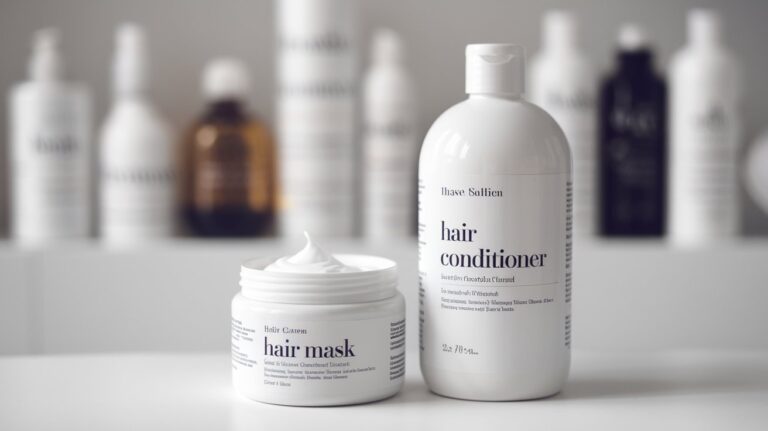
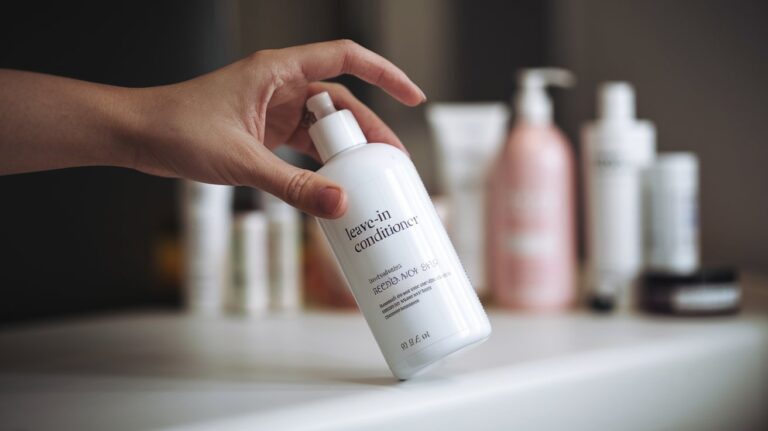
Environmental factors also influence usage frequency. Those living in polluted urban areas, swimmers, or people who exercise frequently may need more regular cleansing. Conversely, people with chemically processed or very dry hair might extend time between washes while using leave-in conditioners or hair masks for additional moisture between full wash cycles.
Related video about difference between shampoo and conditioner
This video complements the article information with a practical visual demonstration.
Your questions answered
Is it okay to wash hair with conditioner only?
Co-washing (conditioner-only washing) can work temporarily for very dry or curly hair types, but it’s not recommended long-term. While conditioner can remove some light impurities, it cannot effectively remove oil buildup, styling products, or environmental pollutants like shampoo can. Most people need periodic shampooing to maintain scalp health and prevent product accumulation.
Is conditioner necessary after shampoo?
Yes, conditioner is necessary after shampoo for most hair types. Shampoo’s cleansing action can strip natural oils and raise the hair cuticle, leaving hair vulnerable to damage and tangling. Conditioner restores moisture, smooths cuticles, and provides protection. Even people with oily hair benefit from lightweight conditioning on the mid-lengths and ends.
How often should you use both shampoo and conditioner?
Most hair types benefit from shampooing 2-3 times per week with conditioning each time you shampoo. Fine or oily hair may need more frequent washing, while thick, dry, or chemically processed hair may need less frequent shampooing but more intensive conditioning treatments. Adjust frequency based on your hair’s response and environmental factors.
Can using the wrong order of shampoo and conditioner damage hair?
Using conditioner before shampoo (reverse washing) isn’t damaging but may be less effective for most hair types. The traditional shampoo-first method allows proper cleansing followed by conditioning. However, people with fine hair may benefit from reverse washing to prevent over-conditioning at the roots while still providing moisture to the ends.
What happens if you use too much shampoo or conditioner?
Excessive shampoo can over-cleanse, leading to dry, brittle hair and potential scalp irritation. Too much conditioner can weigh hair down, make it appear greasy, and potentially clog pores if applied to the scalp. Use a quarter-sized amount of shampoo for shoulder-length hair and apply conditioner only from mid-lengths to ends for best results.
Are there any hair types that don’t need conditioner?
Even very oily hair types benefit from some conditioning, though they may need lighter formulations and should avoid applying conditioner to the scalp. People with extremely short hair (less than one inch) may skip conditioner occasionally, but anyone with hair long enough to tangle or style benefits from conditioning to prevent damage and improve manageability.
| Product | Primary Function | Application Area | Key Benefit |
|---|---|---|---|
| Shampoo | Cleanses and removes buildup | Scalp and roots | Healthy scalp environment |
| Conditioner | Moisturizes and protects | Mid-lengths to ends | Reduced breakage and improved manageability |
| Both Together | Complete hair care system | Entire hair and scalp | Optimal hair health and appearance |