How to Use a Hair Mask: Complete 2025 Expert Guide
Learning how to use a hair mask properly can transform your hair care routine and deliver salon-quality results at home. Hair masks provide intensive nourishment and repair that regular conditioners cannot match. This comprehensive guide covers everything from choosing the right mask to proper application techniques, ensuring you maximize the benefits for your specific hair type and concerns.
Understanding Hair Masks vs Regular Conditioners
Hair masks contain higher concentrations of active ingredients compared to regular conditioners, typically 3-5 times more protein, oils, and nutrients. While conditioners provide daily maintenance with lightweight formulas, masks deliver intensive treatment that penetrates deeper into the hair shaft. According to 2024 hair care research, masks can improve hair moisture levels by up to 85% compared to 25% with regular conditioners.
The molecular structure of hair mask ingredients is specifically designed for deeper penetration. Ingredients like keratin proteins, argan oil, and ceramides in masks have smaller molecular weights, allowing them to repair damage at the cortex level rather than just coating the hair surface like traditional conditioners do.
When to Apply Hair Mask: Before or After Shampooing
The timing of hair mask application significantly impacts its effectiveness. Most hair masks should be applied after shampooing on clean, towel-dried hair. Shampooing removes buildup and opens the hair cuticles, allowing the mask’s active ingredients to penetrate more effectively. However, certain oil-based masks work better on dry hair before shampooing.
Pre-shampoo masks are ideal for extremely dry or damaged hair, as they provide protective coating during the cleansing process. Apply these masks 15-30 minutes before shampooing, focusing on mid-lengths and ends. Post-shampoo application works best for protein treatments and most commercial hair masks, as clean hair absorbs nutrients more readily.
Choosing the Right Hair Mask for Your Hair Type
Selecting the appropriate hair mask depends on your specific hair type, texture, and primary concerns. According to 2024 dermatological studies, using the wrong mask type can actually worsen hair conditions, making proper selection crucial for optimal results.
Masks for Dry and Damaged Hair
For dry and damaged hair, look for masks containing moisturizing ingredients like shea butter, coconut oil, and hyaluronic acid. These masks typically require 10-20 minutes of processing time and should be used 2-3 times weekly. Protein-rich masks with keratin or collagen help repair structural damage but should be balanced with moisture to prevent brittleness.
Masks for Oily and Fine Hair
Fine and oily hair benefits from lightweight masks with clarifying properties. Clay-based masks with ingredients like bentonite or kaolin help absorb excess oils while providing gentle nourishment. These masks should be applied only to mid-lengths and ends, avoiding the scalp area, and used once weekly to prevent weighing hair down.
Masks for Curly and Coily Hair
Curly and coily hair requires intensive moisture masks with rich ingredients like avocado oil, glycerin, and ceramides. These hair types benefit from longer processing times of 20-30 minutes and can tolerate more frequent use, up to 3-4 times weekly. Leave-in properties in these masks help maintain curl definition and reduce frizz.
Step-by-Step Hair Mask Application Process
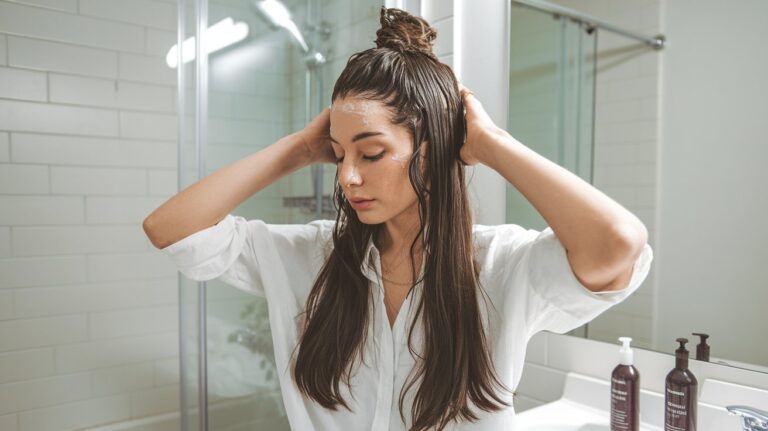
Proper hair mask application technique ensures maximum absorption and effectiveness. Start with freshly shampooed hair that’s been gently towel-dried to remove excess water but remain damp. This optimal moisture level helps the mask spread evenly and penetrate effectively.
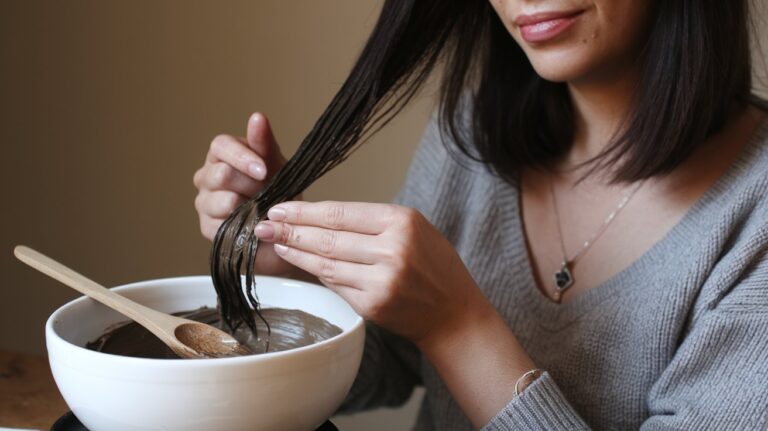
Section your hair into 4-6 parts for thorough application. Apply the hair mask from mid-lengths to ends, avoiding the roots unless specifically directed. Use a wide-tooth comb to distribute the product evenly, ensuring every strand is coated. The amount needed varies by hair length: shoulder-length hair typically requires 2-3 tablespoons of product.
How Long to Leave a Hair Mask On
Processing time varies significantly depending on the hair mask type and your hair’s condition. Most commercial masks require 5-20 minutes, while intensive treatment masks may need 30-45 minutes for maximum benefit. Deep conditioning masks with protein should not exceed recommended times to avoid over-conditioning.
For overnight hair masks, use specifically formulated leave-in treatments that won’t cause buildup or scalp irritation. These gentle formulas work gradually over 6-8 hours, providing intensive hydration for severely damaged hair. Always use a silk or satin pillowcase when sleeping with hair treatments to reduce friction and prevent product transfer.
Using Heat to Enhance Hair Mask Effectiveness
Adding heat during hair mask application can increase ingredient absorption by up to 40% according to 2024 trichology research. Heat opens the hair cuticles, allowing deeper penetration of nutrients and proteins. Use a hair steamer, heated cap, or even a warm towel for 10-15 minutes during processing time.
For DIY heat application, wrap your hair in plastic wrap or a shower cap, then cover with a warm towel. Replace the towel every 5 minutes to maintain consistent temperature. Avoid excessive heat that could damage hair – the goal is gentle warmth, not high temperature that might cause protein coagulation in the mask.
Hair Mask Frequency: How Often to Use
The optimal frequency for using hair masks depends on your hair’s condition and the mask type. Generally, damaged hair benefits from 2-3 weekly applications, while healthy hair needs only weekly treatments. Over-application can lead to product buildup and protein overload, causing hair to become stiff and brittle.
Monitor your hair’s response and adjust frequency accordingly. Signs of over-conditioning include limpness, greasiness, and loss of volume. If you notice these symptoms, reduce application frequency to once every 10-14 days. For alternating different hair mask types, use moisturizing masks more frequently than protein treatments.
Should You Shampoo After Using a Hair Mask
Whether to shampoo after hair mask application depends on the specific product formulation. Most rinse-out masks require only thorough water rinsing, as shampooing afterward can strip away beneficial ingredients that continue working after application. However, heavy oil-based masks may need light shampooing to remove excess product.
For masks containing protein treatments, follow with a gentle, sulfate-free cleanser if hair feels coated or sticky. Always finish with cool water rinsing to seal the hair cuticles and lock in moisture. This final step helps maintain the mask’s benefits for several days between applications.
Common Hair Mask Mistakes to Avoid
Many people unknowingly sabotage their hair mask results through common application errors. Applying masks to completely dry hair prevents proper absorption, while using too much product creates buildup without additional benefits. The key is finding the right balance for your specific hair needs.
Overusing Hair Masks
Overusing hair masks is one of the most frequent mistakes that can actually damage hair health. Daily application overwhelms the hair shaft with proteins and moisture, leading to imbalanced hair that becomes weak and prone to breakage. Stick to recommended frequencies and monitor your hair’s response to treatments.
Using Low-Quality Products
Investing in quality hair masks makes a significant difference in results. Low-quality masks often contain harsh sulfates, synthetic fragrances, and minimal active ingredients that provide little benefit. Look for masks with natural oils, plant-based proteins, and ceramides that actually repair and nourish hair structure.
DIY vs Store-Bought Hair Masks
Both DIY and commercial hair masks have distinct advantages depending on your needs and preferences. Homemade masks using ingredients like avocado, honey, and coconut oil provide natural nourishment without synthetic additives. However, commercial masks offer scientifically formulated blends with precise concentrations of active ingredients.
Store-bought masks undergo stability testing and contain preservatives that ensure consistent effectiveness and safety. DIY hair masks should be used immediately after preparation and never stored, as they lack preservatives and can harbor bacteria. For convenience and reliability, commercial masks often provide more predictable results for busy lifestyles.
Related video about how to use a hair mask
This video complements the article information with a practical visual demonstration.
FAQ – Common Questions
How do you use a hair mask correctly?
Apply hair mask to clean, damp hair from mid-lengths to ends, avoiding roots. Leave on for the recommended time (typically 10-20 minutes), then rinse thoroughly with cool water. Use 2-3 times weekly for damaged hair or weekly for healthy hair maintenance.
Do I apply a hair mask before or after shampooing?
Most hair masks should be applied after shampooing on clean, towel-dried hair. This allows better penetration of active ingredients. However, oil-based pre-shampoo masks can be applied to dry hair 15-30 minutes before cleansing for extra protection.
How long do you leave a hair mask on?
Processing time varies by product type: most commercial masks need 5-20 minutes, while intensive treatments may require 30-45 minutes. Never exceed recommended times for protein masks to avoid over-conditioning. Some overnight masks are formulated for 6-8 hour application.
Should you put a hair mask on wet or dry hair?
Apply hair masks to damp, towel-dried hair for optimal absorption. Hair should be clean and slightly moist but not soaking wet. Completely dry hair won’t absorb the mask effectively, while overly wet hair dilutes the product’s concentration.
Should I shampoo after hair mask?
Most hair masks only require thorough rinsing with water, as shampooing afterward removes beneficial ingredients. Only use light shampooing if the mask feels heavy or sticky on your hair, and always finish with cool water to seal the cuticles.
How many times should you use a hair mask per week?
Use hair masks 1-3 times weekly depending on hair condition. Damaged or chemically-treated hair benefits from 2-3 applications, while healthy hair needs only weekly treatments. Reduce frequency if you notice buildup, limpness, or protein overload symptoms.
| Hair Mask Aspect | Best Practice | Key Benefit |
|---|---|---|
| Application Timing | After shampooing on damp hair | Maximum ingredient absorption |
| Processing Time | 5-20 minutes for most masks | Optimal penetration without over-conditioning |
| Usage Frequency | 1-3 times weekly based on hair condition | Balanced moisture and protein levels |
| Heat Enhancement | Gentle warmth for 10-15 minutes | 40% increase in ingredient absorption |
| Rinsing Method | Thorough water rinse, finish with cool water | Sealed cuticles and lasting benefits |