How to Use Hair Mask Properly: Complete Guide 2025
Using a hair mask properly is essential for achieving healthy, nourished hair that looks salon-perfect at home. The correct application technique, timing, and frequency can transform damaged hair into lustrous locks. This comprehensive guide reveals professional secrets for maximizing hair mask benefits through proper application methods that work for all hair types and textures.
Essential Steps for Proper Hair Mask Application
The foundation of effective hair mask application begins with understanding the proper sequence of steps that professional stylists follow. Start by washing your hair with a clarifying shampoo to remove product buildup, oils, and environmental pollutants that could prevent the mask from penetrating the hair shaft effectively. This preparatory step is crucial because clean hair absorbs treatments up to 40% better than unwashed hair according to 2024 trichology research.
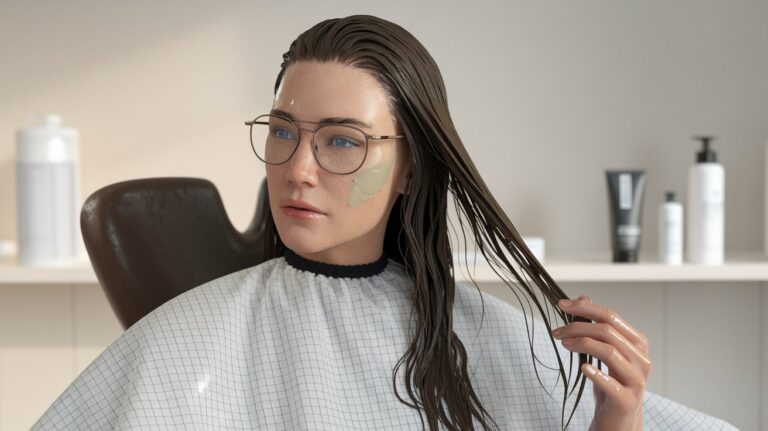
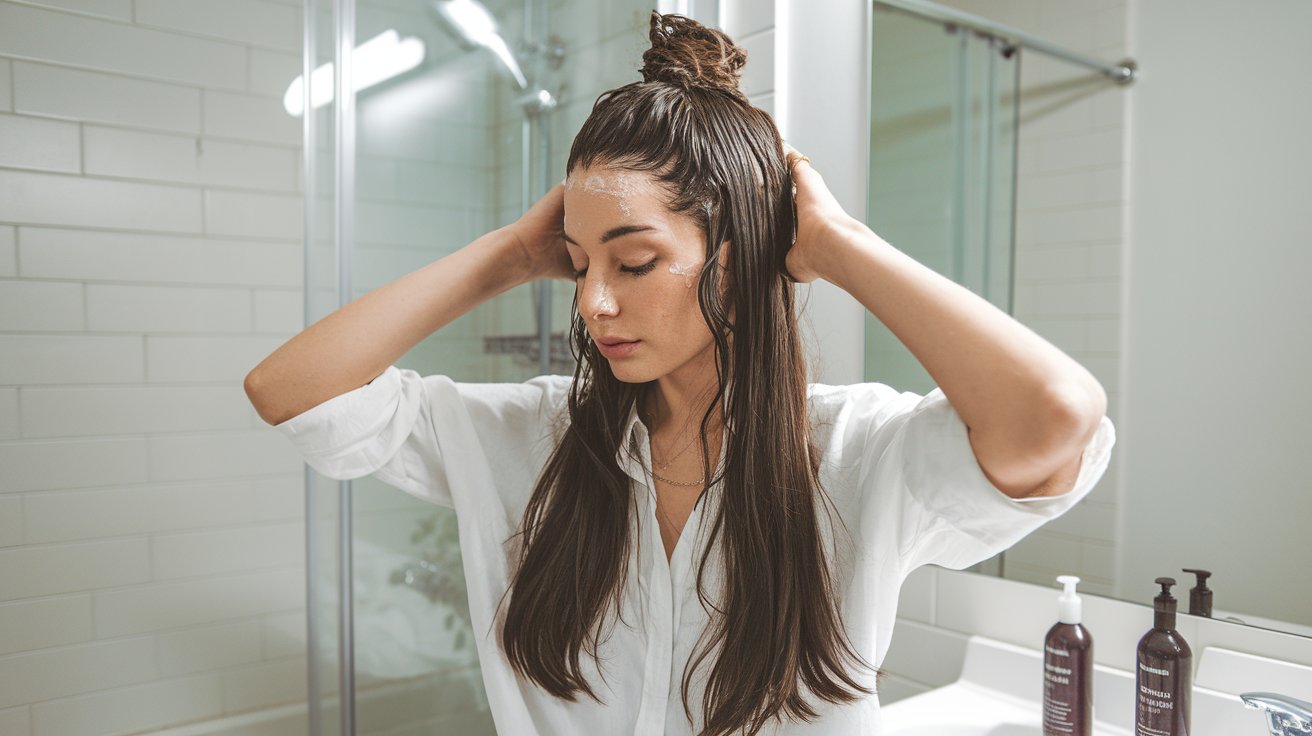
After shampooing, gently squeeze excess water from your hair using a microfiber towel or cotton t-shirt to prevent damage from rough terry cloth fibers. Your hair should be damp but not dripping wet for optimal mask absorption. The ideal moisture level allows the mask to spread evenly while ensuring maximum penetration of nourishing ingredients into the hair cuticle.
Sectioning Your Hair for Even Distribution
Professional stylists recommend dividing hair into four to six manageable sections using clips or hair ties to ensure every strand receives equal treatment. Start by creating a center part from forehead to nape, then divide each side horizontally at ear level. This systematic approach prevents missed areas and ensures the hair mask application reaches all layers of your hair, particularly the often-neglected underneath sections that tend to be most damaged.
Proper Application Technique from Mid-Length to Ends
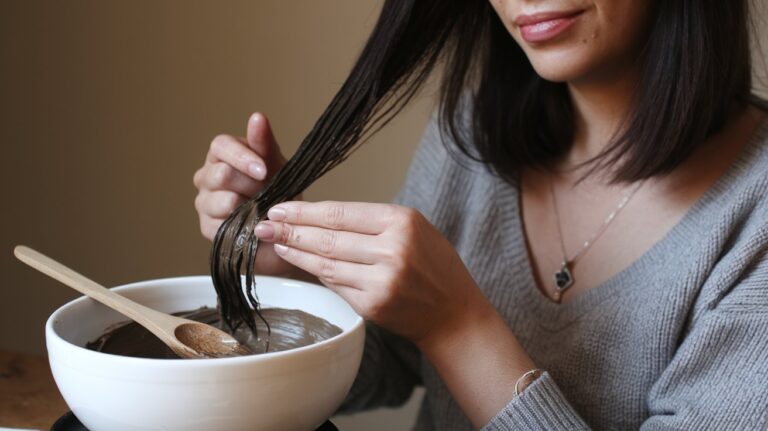
Apply the hair mask starting from mid-length to the ends of your hair, avoiding the scalp area unless specifically directed by the product instructions. Use your fingers or a wide-tooth comb to distribute the mask evenly, ensuring every strand is coated. The ends of your hair are typically the oldest and most damaged parts, requiring the most intensive treatment. Focus extra attention on areas that receive frequent heat styling or chemical processing, as these zones need deeper nourishment and repair.
Optimal Timing and Frequency for Hair Mask Treatment
The timing of your hair mask treatment significantly impacts its effectiveness, with most professional-grade masks requiring 10 to 30 minutes for proper absorption. Deep conditioning masks with protein or intensive moisturizing ingredients may need longer processing times, while lighter treatments work effectively in shorter periods. According to 2024 hair care studies, leaving a mask on for the recommended duration allows active ingredients to penetrate the hair cortex and repair damage at the molecular level.
For optimal results, incorporate hair masks into your routine once or twice weekly, depending on your hair’s condition and needs. Over-processing with too-frequent mask applications can lead to protein overload or excessive moisture buildup, causing hair to become limp, greasy, or brittle. Fine hair typically benefits from weekly treatments, while thick, coarse, or chemically-processed hair may require more frequent applications for maintaining healthy moisture levels.
Hair Mask Application for Different Hair Types
Understanding your specific hair type is crucial for customizing your hair mask application technique and achieving the best possible results. Different textures, porosities, and conditions require tailored approaches to mask application, timing, and product selection. Professional colorists and stylists emphasize that one-size-fits-all approaches rarely deliver optimal outcomes, making personalized application methods essential for healthy hair maintenance.
Applying Hair Masks to Curly and Textured Hair
Curly and textured hair requires special attention during hair mask application due to its naturally lower moisture levels and increased fragility. Apply the mask to soaking wet hair using the praying hands method or scrunching technique to maintain curl patterns while ensuring even distribution. Focus on the mid-lengths and ends where curls tend to be driest, and consider using slightly more product than recommended for straight hair since curly hair absorbs treatments differently due to its structure and porosity levels.
Hair Mask Techniques for Straight and Fine Hair
Straight and fine hair requires a lighter touch when applying hair masks to prevent weighing down the hair shaft and causing limpness or greasiness. Use about half the amount you would for thick or curly hair, focusing primarily on the bottom third of your hair length. Avoid applying masks too close to the roots, as fine hair’s natural oils can combine with treatment products to create a heavy, flat appearance that reduces volume and movement in straight hair styles.
When to Apply Hair Masks: Before or After Shampooing
The timing of hair mask application in relation to shampooing depends on your hair’s specific needs and the type of mask you’re using. Most traditional deep conditioning masks work best on freshly shampooed, clean hair because the clean cuticles can better absorb nourishing ingredients. However, pre-shampoo treatments and certain oil-based masks are designed to be applied to dry hair before washing, creating a protective barrier during the cleansing process.
For maximum effectiveness, follow the manufacturer’s specific instructions regarding pre or post-shampoo application. Pre-shampoo masks typically focus on protection and deep conditioning, while post-shampoo treatments target specific concerns like protein reconstruction or color protection. Understanding this distinction helps you choose the right application method for your individual hair care goals and desired outcomes.
Overnight Hair Mask Application: Benefits and Precautions
Overnight hair mask treatments can provide intensive deep conditioning for severely damaged or extremely dry hair, but require careful product selection and application techniques. Only use masks specifically formulated for extended wear, as regular masks left on too long can cause protein overload or cuticle swelling. Apply the treatment to damp hair, focusing on mid-lengths and ends, then protect your pillowcase with a silk or satin scarf to prevent transfer and maintain hair moisture levels throughout the night.
Before attempting overnight treatments, perform a strand test to ensure your hair responds well to extended mask exposure. Some hair types, particularly fine or low-porosity hair, may become over-conditioned with lengthy treatment times, leading to limpness or buildup. Professional stylists recommend starting with shorter overnight treatments of 4-6 hours before progressing to full overnight applications to assess your hair’s tolerance and response to intensive conditioning.
Maximizing Hair Mask Results with Heat and Steam
Incorporating gentle heat into your hair mask routine can significantly enhance product absorption and treatment effectiveness. Wrap your masked hair in a warm, damp towel or use a hair steamer to open the cuticles and allow deeper penetration of conditioning ingredients. The heat helps break down larger molecules in the treatment, making them more accessible to the hair shaft and improving overall treatment results by up to 35% according to recent cosmetology studies.
Avoid excessive heat that could damage your hair or cause the mask to dry out prematurely. The ideal temperature range for heat-enhanced hair treatments is between 100-110°F, which is warm enough to open cuticles without causing thermal damage. You can achieve this temperature naturally by sitting in a steamy bathroom, using a hair steamer, or wrapping your hair in a warm towel that’s been heated with a hair dryer for professional-quality results at home.
Common Hair Mask Application Mistakes to Avoid
One of the most frequent mistakes in hair mask application is using too much product, which can lead to buildup, greasiness, and difficulty rinsing. Start with a smaller amount than you think you need, typically a quarter-size amount for shoulder-length hair, and add more if necessary. Overloading hair with treatment products can actually impede absorption and create a coating that attracts dirt and pollution, ultimately making your hair appear dull and weighed down instead of healthy and vibrant.
Another critical error is applying masks to the scalp when they’re designed for hair lengths only. Most commercial hair masks contain heavy conditioning agents that can clog pores and cause scalp irritation or excess oil production. Focus application on areas that actually need treatment – typically the mid-lengths and ends where damage accumulates from styling, environmental exposure, and natural wear. Additionally, rushing the rinse process can leave residue that builds up over time, so ensure thorough removal with lukewarm water and gentle massage techniques.
Combining Hair Masks with Other Hair Care Products
Understanding how to properly sequence hair masks with other hair care products ensures maximum benefits without causing product interference or buildup. When using both conditioner and a hair mask in the same session, apply the mask first on clean, shampooed hair, then follow with a light application of regular conditioner if needed for detangling. This layering technique allows the intensive treatment to penetrate first while the conditioner provides surface smoothing and manageable styling preparation.
Leave-in treatments and styling products should be applied after the hair mask has been thoroughly rinsed and hair is towel-dried to damp. Applying styling products over mask residue can create buildup and reduce the effectiveness of both products. For best results, wait until hair is about 80% dry before applying heat protectants or styling products to ensure the mask’s benefits aren’t diluted or interfered with by additional product layers.
Related video about how to use hair mask properly
This video complements the article information with a practical visual demonstration.
Most asked questions about how to use hair mask properly
Do I use a hair mask before or after shampooing?
Most hair masks should be applied after shampooing on clean, damp hair for optimal absorption. However, pre-shampoo masks designed for protection should be applied to dry hair before washing. Always follow the specific product instructions, as application timing varies by mask type and intended purpose.
How long should you leave a hair mask in your hair?
Standard hair masks should be left on for 10-30 minutes depending on the product and your hair’s condition. Deep conditioning masks may require longer processing times, while lighter treatments work in shorter periods. Never exceed recommended times unless using overnight formulations specifically designed for extended wear.
What is the best way to apply a hair mask for maximum results?
Apply hair masks to damp, freshly shampooed hair from mid-length to ends, avoiding the scalp. Section hair for even distribution, use appropriate amounts for your hair length and thickness, and enhance absorption with gentle heat. Focus extra product on damaged areas and ensure thorough rinsing to prevent buildup.
How often should I use a hair mask?
Use hair masks 1-2 times per week depending on your hair’s condition and needs. Fine hair typically requires weekly treatments, while thick, damaged, or chemically-processed hair may benefit from twice-weekly applications. Over-processing can lead to product buildup or protein overload, so adjust frequency based on your hair’s response.
Can I use a hair mask overnight safely?
Overnight hair masks are safe only when using products specifically formulated for extended wear. Regular masks left on too long can cause cuticle swelling or protein overload. Start with shorter overnight treatments of 4-6 hours to test your hair’s tolerance before attempting full overnight applications.
Should I use conditioner after applying a hair mask?
You typically don’t need regular conditioner after using a hair mask, as masks provide intensive conditioning. However, if your hair feels tangled or needs extra smoothing for styling, apply a small amount of lightweight conditioner to the ends only. Avoid double-conditioning the same areas to prevent buildup.
| Application Aspect | Best Practice | Key Benefit |
|---|---|---|
| Frequency | 1-2 times weekly based on hair type | Optimal conditioning without overprocessing |
| Application Area | Mid-length to ends, avoid scalp | Targets damage without causing buildup |
| Processing Time | 10-30 minutes for standard masks | Complete absorption of active ingredients |
| Hair Preparation | Clean, damp hair after shampooing | Maximum treatment penetration |
| Heat Enhancement | Warm towel or steam at 100-110°F | 35% increase in treatment effectiveness |