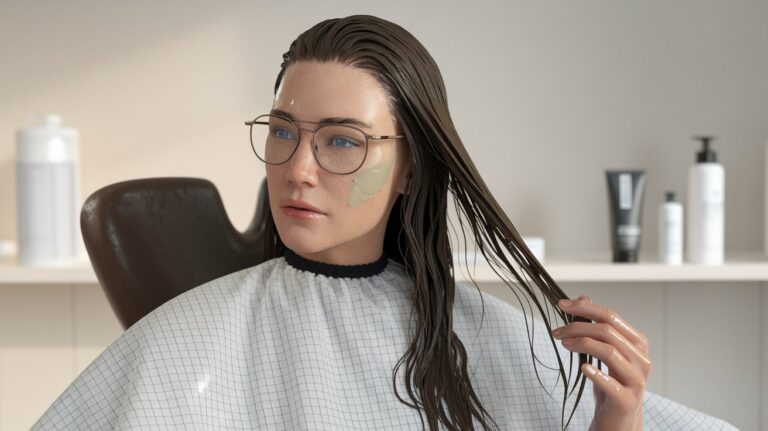
How to Use a Hair Mask: Complete Step-by-Step Guide 2025
Learning how to use a hair mask properly can transform your hair care routine and deliver salon-quality results at home. Hair masks provide deep conditioning treatment that repairs damage, adds moisture, and strengthens hair follicles. This comprehensive guide covers everything from choosing the right mask for your hair type to proper application techniques that maximize benefits and minimize common mistakes.
Choosing the Right Hair Mask for Your Hair Type
Selecting the best hair mask for your specific hair needs is crucial for achieving optimal results. Different hair types require different formulations to address unique concerns effectively. Understanding your hair’s porosity, texture, and current condition helps determine which ingredients will benefit you most.
Fine hair benefits from lightweight, protein-rich masks that add volume without weighing down strands. Thick or coarse hair requires heavier, moisturizing formulas with ingredients like shea butter or argan oil. Color-treated hair needs specialized masks with UV protection and color-safe ingredients to prevent fading and maintain vibrancy.
Masks for Damaged and Chemically Treated Hair
Chemically processed hair requires intensive repair treatments that focus on protein reconstruction and moisture balance. Look for masks containing keratin, hydrolyzed proteins, and ceramides that rebuild damaged cuticles. Bleached hair particularly benefits from masks with olaplex-type ingredients that reconnect broken disulfide bonds within the hair shaft.
Natural Hair and Curl-Specific Formulations
Natural and curly hair textures require masks with heavy moisturizing agents and curl-defining properties. Ingredients like coconut oil, shea butter, and glycerin help maintain moisture retention and reduce frizz. Avoid masks with sulfates or drying alcohols that can strip natural oils and disrupt curl patterns.
When to Apply Hair Mask: Before or After Shampooing
The timing of when to apply hair mask before or after shampooing significantly impacts treatment effectiveness. Most hair masks should be applied to freshly shampooed, towel-dried hair when cuticles are slightly open and receptive to treatment. This allows active ingredients to penetrate deeper into the hair shaft for maximum benefit.
However, some pre-shampoo treatments work better on dry hair before washing. These protective masks create a barrier that prevents excessive moisture loss during the cleansing process. Oil-based masks and protein treatments often fall into this category, requiring application to dry hair 15-30 minutes before shampooing.
Step-by-Step Application Process
Proper application technique ensures even distribution and maximum penetration of hair mask ingredients. Start by gently squeezing excess water from freshly washed hair, leaving it damp but not dripping. Section hair into manageable parts to ensure thorough coverage from mid-length to ends.
Apply the hair mask evenly using fingers or a wide-tooth comb, focusing on damaged areas while avoiding the scalp and roots. Use approximately one to two tablespoons of product for medium-length hair, adjusting quantity based on hair thickness and length. Work the mask through each section systematically to prevent missed spots.
Sectioning Techniques for Even Coverage
Divide hair into four to six sections depending on thickness and length. Use clips to secure sections while working through each area methodically. Start from the back sections and work forward, ensuring every strand receives adequate product coverage. This sectioning method prevents uneven application and reduces product waste.
Avoiding Common Application Mistakes
Never apply hair masks to the scalp or roots, as this can cause buildup and weigh down hair. Avoid using too much product, which can leave residue and make hair feel heavy or greasy. Focus application on the mid-lengths and ends where damage typically occurs and moisture is most needed.
How Long to Leave Hair Mask On
Treatment duration varies depending on hair condition and mask formulation, typically ranging from 5 to 30 minutes. Most commercial hair masks require 10-15 minutes processing time for optimal results. Deep conditioning treatments for severely damaged hair may need 20-30 minutes to fully penetrate and repair.
Protein-based masks should not exceed recommended time limits, as overprocessing can cause hair to become brittle and prone to breakage. Always follow manufacturer instructions and perform strand tests when trying new products. Setting a timer ensures consistent treatment duration and prevents accidental overexposure.
Adding Heat for Enhanced Results
Heat application opens hair cuticles and accelerates ingredient penetration for more intensive treatment results. Wrap hair in a warm, damp towel or use a hair steamer during mask processing time. Heat activation can reduce treatment time while improving effectiveness, particularly beneficial for thick or resistant hair types.
Low heat from a hooded dryer or heating cap provides consistent temperature distribution without risk of damage. Avoid excessive heat that can cause ingredient degradation or hair damage. Room temperature treatments work effectively for regular maintenance, while heat enhancement suits monthly intensive treatments.
Rinsing and Post-Treatment Care
Thorough rinsing removes all mask residue while preserving treatment benefits. Use cool to lukewarm water to seal cuticles and lock in moisture and nutrients. Rinse until water runs clear, ensuring no product buildup remains that could weigh down hair or cause scalp irritation.
Skip regular conditioner after intensive mask treatments, as over-conditioning can cause product buildup and limp hair. Pat hair gently with a microfiber towel to remove excess water without causing friction damage. Apply leave-in treatments sparingly, focusing on ends and avoiding roots to maintain optimal hair health.
How Many Times to Use Hair Mask Weekly
Treatment frequency depends on hair condition and individual needs, typically ranging from once weekly to twice monthly. Normal to healthy hair benefits from weekly hair mask treatments for maintenance and protection. Damaged or chemically treated hair may require bi-weekly intensive treatments during repair phases.
Overuse can lead to product buildup, protein overload, or excessive softening that makes hair difficult to style. Monitor hair response and adjust frequency accordingly. Fine hair typically requires less frequent treatments than thick or coarse hair textures that can handle more intensive conditioning.
Seasonal Treatment Adjustments
Increase mask frequency during winter months when indoor heating and cold weather cause additional moisture loss. Summer treatments may focus more on UV protection and chlorine damage repair from swimming pools. Adjust formulations seasonally to address changing environmental stressors and hair needs.
Signs of Overconditioning
Watch for signs of protein or moisture overload, including limp, greasy-feeling hair that lacks volume or bounce. Overconditioned hair may feel mushy when wet or appear dull and lifeless when styled. Reduce treatment frequency and choose lighter formulations if these symptoms occur.
Combining Hair Masks with Regular Conditioner
Understanding how to use hair mask and conditioner together maximizes treatment benefits without causing buildup. Use masks as intensive weekly treatments while maintaining regular conditioning routine on non-mask days. This approach provides consistent moisture while allowing for deeper repair treatments as needed.
Some people prefer alternating between regular conditioner and mask treatments, using lighter conditioning on mask days and standard conditioner on other wash days. Experiment with different combinations to find the routine that works best for your hair type and lifestyle requirements.
Troubleshooting Common Hair Mask Issues
Address common problems like residue buildup, insufficient results, or adverse reactions through proper technique adjustments. If hair feels heavy or greasy after treatment, reduce product quantity or processing time. Clarifying shampoo once monthly removes buildup from regular mask use and resets hair for optimal treatment absorption.
Poor results may indicate incorrect product selection for your hair type or inconsistent application technique. Switch to different formulations if current products don’t provide expected benefits after 4-6 uses. Consider consulting a professional colorist or stylist for personalized product recommendations based on your specific hair needs and goals.
Related video about how to use a hair mask
This video complements the article information with a practical visual demonstration.
Most asked questions about how to use a hair mask
How do you use a hair mask correctly?
Apply hair mask to freshly shampooed, towel-dried hair from mid-length to ends, avoiding roots. Section hair for even distribution, leave on for 10-15 minutes, then rinse thoroughly with cool water. Use once weekly for normal hair or bi-weekly for damaged hair.
Do I apply a hair mask before or after shampooing?
Most hair masks should be applied after shampooing on clean, damp hair when cuticles are open for better ingredient penetration. However, some oil-based pre-shampoo treatments work better on dry hair before washing to protect against moisture loss during cleansing.
How long do you leave a hair mask on?
Leave hair masks on for 10-15 minutes for regular treatments or 20-30 minutes for deep conditioning severely damaged hair. Never exceed recommended time limits, especially with protein masks, as overprocessing can cause brittleness and breakage.
Should you put a hair mask on wet or dry hair?
Apply most hair masks to damp, towel-dried hair after shampooing for optimal penetration. The hair should be wet enough for easy application but not dripping. Some pre-shampoo treatments work better on completely dry hair before washing.
Should I shampoo after using a hair mask?
No, do not shampoo after using a hair mask as this removes the beneficial ingredients you just applied. Hair masks are designed to be applied after shampooing and should be rinsed out with water only, followed by gentle towel drying.
How many times should I use a hair mask per week?
Use hair masks once weekly for normal hair maintenance or twice weekly for damaged hair requiring intensive repair. Fine hair may need masks only twice monthly, while thick or coarse hair can handle more frequent treatments without becoming over-conditioned.
| Hair Mask Aspect | Best Practice | Expected Benefit |
|---|---|---|
| Application Timing | After shampooing on damp hair | Maximum ingredient penetration |
| Processing Time | 10-15 minutes for regular treatment | Optimal conditioning without overprocessing |
| Frequency | Once weekly for maintenance | Consistent improvement without buildup |
| Application Area | Mid-length to ends, avoid roots | Targeted treatment without weighing down hair |