How to Use Hair Mask Properly: Complete 2025 Guide
Learning how to use hair mask properly can transform your hair care routine and deliver salon-quality results at home. With proper application techniques, timing, and frequency, hair masks can repair damage, restore moisture, and enhance your hair’s natural shine in just 15-30 minutes per session.
When to Apply Hair Mask: Before or After Shampooing
The timing of when to apply hair mask depends on your hair type and the mask’s formulation. Most deep conditioning masks work best on freshly shampooed, damp hair when the hair cuticles are open and ready to absorb nutrients. However, protein treatments and some intensive repair masks may be applied to dry hair before shampooing for deeper penetration.
For regular weekly treatments, apply hair mask after shampooing but skip your regular conditioner. The clean hair surface allows the mask’s active ingredients to penetrate more effectively, delivering maximum benefits. Always read your specific product instructions, as leave-in masks and overnight treatments may have different application guidelines.
Step-by-Step Hair Mask Application Process
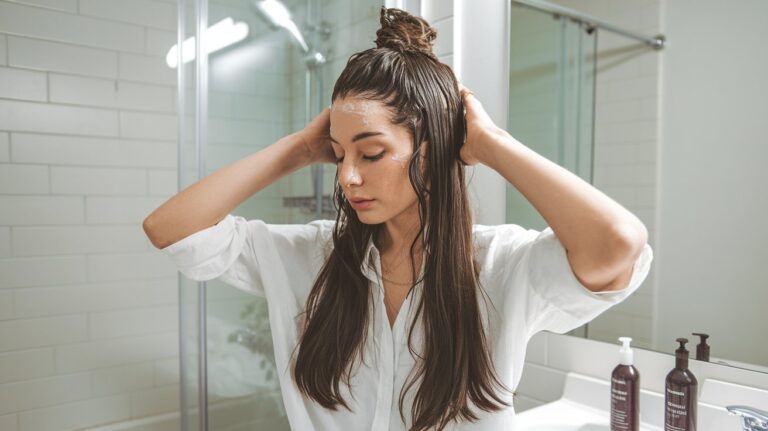
Proper hair mask application begins with sectioning your hair into manageable portions. Start with freshly washed, towel-dried hair that’s damp but not dripping wet. Use a wide-tooth comb to detangle your hair gently, then divide it into 4-6 sections depending on your hair thickness and length.
Apply the mask from mid-length to ends first, as these areas typically need the most attention. Work the product through each section using your fingers or a wide-tooth comb, ensuring even distribution. Avoid applying hair mask to your scalp unless specifically designed for scalp treatment, as this can cause buildup and greasiness.
Application Techniques for Different Hair Types
For curly hair mask application, use the praying hands method or gently rake the product through with your fingers to maintain curl pattern. Curly hair benefits from slightly more product and longer processing times due to its porous nature. Focus on the ends and any particularly dry or damaged areas.
Straight Hair Mask Application Method
Straight hair requires less product and more careful application to avoid weighing down the hair. Apply hair mask to straight hair in thin, even layers using a fine-tooth comb for distribution. Focus on the lower half of your hair shaft, avoiding the roots to prevent oiliness and loss of volume.
How Long Should You Leave a Hair Mask In
The optimal hair mask processing time varies between 5-30 minutes depending on your hair’s condition and the product type. Damaged or chemically-treated hair typically benefits from longer processing times of 20-30 minutes, while healthy hair may only need 10-15 minutes to see results.
Deep conditioning masks generally require 15-20 minutes, while protein treatments work effectively in 5-10 minutes. Over-processing can lead to protein overload or excessive moisture, both of which can make hair feel limp or brittle. Set a timer and follow manufacturer guidelines for best hair mask results.
Can You Use Hair Mask Overnight
Using a hair mask overnight can provide intensive treatment for severely damaged hair, but requires specific formulations designed for extended wear. Regular rinse-out masks should never be left on overnight as they can cause protein overload or scalp irritation.
Overnight treatments work best for extremely dry or damaged hair that needs intensive moisture restoration. Look for products specifically labeled as overnight or leave-in treatments, and always perform a patch test before first use. Consider using a silk pillowcase to prevent product transfer and protect your hair during sleep.
Hair Mask Application on Dry vs Wet Hair
Applying hair mask on dry hair can be beneficial for certain treatment types, particularly oil-based masks or pre-shampoo treatments. Dry hair application allows for better penetration of oils and proteins, as there’s no water barrier preventing absorption of active ingredients.
However, most commercial hair masks are formulated for application on damp hair. The slight moisture content helps with product distribution and prevents the mask from sitting on top of the hair shaft. For best results, follow your specific product’s instructions regarding hair moisture level during application.
Pre-Shampoo Hair Mask Treatment
Pre-shampoo hair mask treatment involves applying the mask to dry hair before washing. This technique works particularly well with oil-based masks or protein treatments that need time to penetrate the hair cuticle. Leave the mask on for 20-30 minutes before proceeding with your regular shampoo and conditioning routine.
Post-Shampoo Application Benefits
Post-shampoo application on clean, damp hair allows for optimal product absorption. The cleansing process opens the hair cuticles, creating the perfect environment for deep conditioning treatment. This method is ideal for most store-bought masks and weekly maintenance treatments.
Hair Mask and Conditioner: How to Use Together
When using both hair mask and conditioner, proper sequencing is crucial for optimal results. Generally, you should use either a hair mask or conditioner in a single wash session, not both. Hair masks are intensive treatments that replace your regular conditioner during treatment days.
If your hair is extremely damaged and needs both treatments, apply the hair mask first for 15-20 minutes, rinse thoroughly, then apply a light leave-in conditioner to seal the cuticles. This combination works best for severely damaged or chemically-treated hair that requires multiple levels of treatment.
Leave-In Hair Mask Usage Guide
A leave-in hair mask differs significantly from traditional rinse-out treatments in formulation and application. These products are designed to remain in your hair without causing buildup or weighing it down. Apply leave-in masks to damp, towel-dried hair, focusing on mid-lengths and ends.
Use leave-in treatments sparingly – typically a dime-sized amount for short hair or a quarter-sized amount for long hair. These products provide ongoing protection and moisture throughout the day, making them ideal for daily use on damaged or dry hair types.
DIY Hair Mask Application at Home
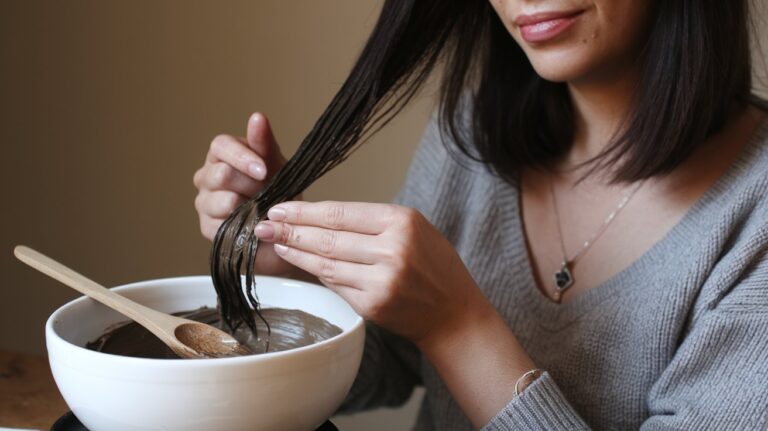
Creating and applying hair mask at home allows for customization based on your specific hair needs. Popular DIY ingredients include avocado for moisture, honey for shine, and coconut oil for deep conditioning. When making homemade masks, ensure all ingredients are well-blended to prevent uneven application.
Apply DIY masks using the same techniques as commercial products, but be extra careful with natural ingredients that may be more difficult to rinse out. Homemade masks typically require longer processing times of 20-30 minutes due to their gentler formulations.
Natural Ingredient Safety and Application
When using natural ingredients for DIY hair masks, always perform a patch test 24 hours before full application. Some natural ingredients like eggs or citrus can cause allergic reactions or scalp sensitivity. Apply DIY masks to small test areas first to ensure compatibility with your hair and scalp.
Removal and Cleanup Tips
Removing DIY hair masks requires thorough rinsing and sometimes multiple shampoo sessions. Start with lukewarm water to prevent cooking egg-based masks, then follow with your regular shampoo. For oil-based DIY treatments, you may need to shampoo twice to remove all residue completely.
Common Hair Mask Mistakes to Avoid
The most common hair mask mistakes include over-application, incorrect timing, and improper hair preparation. Using too much product can weigh down your hair and waste expensive treatments. Always start with manufacturer-recommended amounts and adjust based on your hair’s response.
Another frequent error is applying masks to dirty hair or skipping the detangling step. Product buildup and tangles prevent even distribution and reduce treatment effectiveness. Always start with clean, detangled hair for maximum hair mask benefits and optimal results.
Related video about how to use hair mask properly
This video complements the article information with a practical visual demonstration.
Questions & Answers
How often should I use a hair mask?
Use a hair mask 1-2 times per week for normal hair, or 2-3 times weekly for damaged or chemically-treated hair. Over-use can lead to product buildup or protein overload. Monitor your hair’s response and adjust frequency accordingly. Healthy hair may only need weekly treatments, while severely damaged hair benefits from more frequent applications.
Can I use hair mask on oily hair?
Yes, but choose lightweight, clarifying masks specifically formulated for oily hair types. Apply only to mid-lengths and ends, avoiding the scalp and roots. Oil-control masks containing clay or tea tree oil work best for oily hair. Limit use to once weekly to prevent over-conditioning and maintain natural oil balance.
Should I comb my hair while the mask is in it?
Gently comb hair with a wide-tooth comb immediately after applying the mask for even distribution, but avoid excessive manipulation during processing time. Wet hair is more fragile and prone to breakage. If you need to redistribute the product, use your fingers to gently work through any areas that appear uneven.
What temperature water should I use to rinse out hair masks?
Use lukewarm water to rinse out hair masks, as hot water can strip natural oils and cause color fading, while cold water may not effectively remove all product residue. Lukewarm water helps maintain the hair cuticle’s health while ensuring complete product removal. Finish with a cool water rinse to seal the cuticles and enhance shine.
Can I use hair mask on colored or chemically treated hair?
Hair masks are highly beneficial for colored and chemically treated hair, which often needs extra moisture and protein. Choose masks specifically formulated for color-treated hair to prevent fading. Wait 48-72 hours after chemical treatments before applying masks, and always perform a strand test first to ensure compatibility with your specific treatment.
Is it normal for hair to feel different immediately after using a mask?
Yes, hair may feel temporarily heavier, softer, or different in texture immediately after mask application. This is normal as your hair adjusts to the intensive treatment. The true results typically appear after the hair is completely dry and styled. If hair feels overly heavy or greasy, reduce the amount of product or frequency of use.
| Application Stage | Key Technique | Expected Benefit |
|---|---|---|
| Pre-Application | Clean, damp hair sectioning | Optimal product absorption |
| During Treatment | 15-20 minute processing time | Deep conditioning repair |
| Post-Treatment | Thorough lukewarm water rinse | Clean finish without residue |
| Frequency | 1-2 times per week maximum | Sustained hair health improvement |