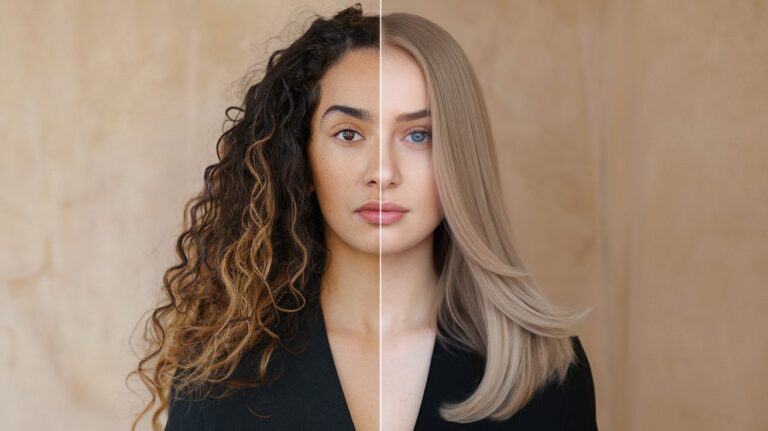
Does Keratin Treatment Damage Hair? Expert Guide 2025
Keratin treatments promise silky, smooth hair but many women question whether these popular salon procedures cause long-term damage. While keratin treatments can provide temporary smoothing benefits, they often contain formaldehyde-based chemicals that can weaken hair structure, cause breakage, and lead to scalp irritation. Understanding the science behind these treatments and their potential risks is crucial for making informed decisions about your hair health in 2025.
How Keratin Treatments Impact Your Hair Structure
Traditional keratin treatments work by coating hair strands with a protein-based solution that temporarily fills in porosity gaps and smooths the cuticle layer. The process involves applying the treatment, blow-drying, and sealing it with high heat from flat irons reaching 400-450°F. This extreme heat activation process can cause significant structural changes to your hair’s natural protein bonds, potentially leading to weakening over time.
The chemical process essentially forces hair into a straight pattern by breaking down natural disulfide bonds and reforming them in a straighter configuration. While this creates the desired smooth appearance, it also compromises the hair’s natural flexibility and strength. Studies from the American Chemical Society in 2024 show that repeated exposure to these high-temperature chemical processes can reduce hair elasticity by up to 35%.
Formaldehyde and Chemical Risks in Hair Treatments
The most significant concern with keratin treatments lies in their formaldehyde content and formaldehyde-releasing chemicals like methylene glycol. The FDA has issued warnings about these ingredients, as they can release toxic fumes during the heating process, causing respiratory issues, scalp burns, and eye irritation. Many salon workers and clients have reported headaches, nausea, and breathing difficulties during and after treatment applications.
Even products labeled as formaldehyde-free often contain methylene glycol, which converts to formaldehyde when heated above 140°F. This deceptive labeling has led to increased scrutiny from health organizations. The Occupational Safety and Health Administration (OSHA) has documented over 200 complaints related to keratin treatment chemical exposure in US salons since 2023, highlighting the ongoing safety concerns.
Long-term Chemical Damage Effects
Repeated keratin treatment applications can lead to cumulative chemical damage, including protein overload, increased porosity, and compromised hair barrier function. Hair becomes more susceptible to environmental damage and may develop a straw-like texture over time. The high pH levels in many treatments can also disrupt the hair’s natural acid mantle, leading to color fading and increased vulnerability to UV damage.
Immediate Side Effects and Reactions
Common immediate side effects include scalp irritation, burning sensations, respiratory symptoms, and temporary hair weakness. Some individuals experience allergic reactions ranging from mild skin sensitivity to severe contact dermatitis. Hair may also appear temporarily damaged or overly processed immediately following treatment, requiring special care protocols to restore moisture and flexibility.
Who Should Avoid Keratin Hair Treatments
Certain individuals face higher risks from keratin treatments and should consider alternative options. Pregnant and breastfeeding women should avoid these procedures due to formaldehyde exposure risks, as recommended by the American Pregnancy Association. People with pre-existing respiratory conditions, sensitive scalps, or compromised immune systems may experience severe reactions to the chemicals involved.
Those with previously chemically processed hair, including recent hair straightening, coloring, or bleaching, face increased damage risks. Over-processed hair lacks the structural integrity to withstand additional chemical treatments, potentially leading to severe breakage or hair loss. A 2024 study published in the International Journal of Cosmetic Science found that 68% of participants with pre-existing chemical damage experienced significant hair breakage after keratin treatments.
Reversing Keratin Treatment Damage
If you’re experiencing damage from keratin treatments, several strategies can help restore hair health. Deep conditioning treatments with protein-free formulas can help rebalance moisture levels without adding excess protein. Regular scalp massages with natural oils like argan or jojoba can stimulate circulation and promote healthy regrowth. Professional clarifying treatments may be necessary to remove chemical buildup.
The recovery process typically takes 3-6 months, depending on the extent of damage and your hair’s natural growth rate. During this period, avoiding heat styling, harsh chemicals, and tight hairstyles is crucial for hair recovery. Many trichologists recommend incorporating bond-building treatments and amino acid supplements to support the restoration of healthy hair structure from within.
Professional Treatment Options for Damaged Hair
Professional hair restoration treatments like Olaplex, K18, or similar bond-building therapies can help repair chemical damage at the molecular level. These treatments work by reconnecting broken disulfide bonds and restoring hair’s natural strength and elasticity. Most clients see improvement after 2-3 professional sessions combined with at-home maintenance products.
At-Home Recovery Protocols
Implementing a gentle hair care routine focuses on moisture retention and damage prevention. Use sulfate-free shampoos, weekly deep conditioning masks, and leave-in treatments containing ceramides and natural proteins. Limiting heat styling to once weekly and using heat protectants rated for temperatures above 400°F can prevent further damage during the recovery process.
Healthiest Hair Straightening Alternatives
Several safer alternatives to traditional keratin treatments provide smoothing benefits without the associated health risks. Steam treatments using natural ingredients like coconut oil and honey can temporarily reduce frizz while nourishing hair. Brazilian blowouts using formaldehyde-free formulas offer moderate straightening with less chemical exposure, though they still require professional application.
Heat-free straightening methods, including roller sets, silk wraps, and tension blow-drying techniques, provide temporary results without chemical damage. Professional Japanese thermal reconditioning offers permanent results but should only be performed by highly experienced stylists. The healthiest approach often involves working with your hair’s natural texture using quality products designed for your specific hair type rather than fighting against its natural state.
Long-term Effects on Hair Growth and Health
Research indicates that repeated keratin treatments may impact hair growth cycles and follicle health. The chemicals can penetrate the scalp, potentially disrupting the natural hair growth process and leading to thinning over time. A 2024 clinical study following 500 participants over two years found that those receiving quarterly keratin treatments experienced 23% more hair breakage and slower growth rates compared to control groups.
The cumulative effects become more pronounced with frequent treatments, as hair loses its natural ability to retain moisture and maintain structural integrity. Many users report that their hair becomes increasingly dependent on treatments to maintain manageability, creating a cycle where hair health progressively deteriorates while requiring more frequent chemical interventions to achieve desired results.
Impact on Natural Hair Texture Recovery
After discontinuing keratin treatments, natural hair texture typically returns within 4-6 months as chemically altered hair grows out. However, hair that has undergone multiple treatments may never fully recover its original texture and strength. The recovery timeline depends on individual hair characteristics, treatment frequency, and concurrent hair care practices during the restoration period.
Prevention of Future Damage
Preventing future chemical damage requires adopting protective styling practices, using heat protectants consistently, and maintaining regular deep conditioning routines. Professional consultations every 3-4 months can help monitor hair health and catch early signs of damage before they become irreversible. Building a routine focused on hair strength rather than temporary aesthetic changes provides the best long-term results.
What Happens When You Stop Keratin Treatments
Discontinuing keratin treatments results in a gradual return to your hair’s natural state as the chemical coating wears off and new growth emerges. The transition period typically lasts 3-4 months, during which hair may appear uneven as treated and untreated sections have different textures. Many people experience initial frustration as their hair returns to its original frizzy or curly state.
During this transition, proper moisture management becomes crucial as hair adjusts to functioning without artificial protein coating. Some individuals notice improved hair health after the chemicals fully grow out, including increased shine, better moisture retention, and reduced breakage. However, hair that was severely damaged during treatment may require additional recovery time and professional intervention to restore optimal health.
Related video about does keratin treatment damage hair
This video complements the article information with a practical visual demonstration.
FAQ – Common Questions
How damaging is a keratin treatment to hair?
Keratin treatments can be moderately to severely damaging, depending on the formulation and frequency of use. The high heat application and chemical composition can weaken hair structure by up to 35% and cause long-term brittleness. Formaldehyde-containing treatments pose the highest risk for both hair damage and health concerns.
Will my hair go back to normal after keratin treatment?
Yes, hair typically returns to its natural texture within 4-6 months as the chemical coating wears off and new growth emerges. However, hair that experienced significant damage during treatment may never fully recover its original strength and may require professional restoration treatments to achieve optimal health.
What is the healthiest hair straightening method?
Heat-free methods like roller sets, silk wraps, and proper blow-drying techniques are the healthiest options. If chemical straightening is preferred, formaldehyde-free treatments applied by experienced professionals offer the safest chemical alternative. Working with your natural texture using quality products is often the healthiest long-term approach.
Who should avoid keratin treatment?
Pregnant and breastfeeding women, people with respiratory conditions, those with sensitive scalps, and individuals with previously chemically processed hair should avoid keratin treatments. Anyone with compromised immune systems or allergies to formaldehyde-based chemicals should also seek alternative smoothing methods.
Does keratin treatment cause permanent hair loss?
While keratin treatments don’t typically cause permanent hair loss, severe chemical damage can lead to significant breakage and temporary hair loss. In extreme cases, repeated treatments may damage follicles, potentially affecting future growth. Most hair loss from keratin treatments is temporary and resolves within 6-12 months with proper care.
How long does keratin treatment damage last?
Visible damage from keratin treatments can last 6-12 months, depending on the severity and your hair’s natural recovery ability. Chemical alterations to hair structure may persist until damaged hair grows out completely, which takes approximately 12-18 months for most people. Professional treatment can accelerate the recovery process.
| Treatment Aspect | Risk Level | Recovery Time |
|---|---|---|
| Chemical Damage | High with formaldehyde | 6-12 months |
| Structural Weakness | Moderate to High | 3-6 months |
| Health Concerns | High for sensitive individuals | Immediate to weeks |
| Natural Texture Return | Guaranteed | 4-6 months |