Is Keratin Treatment Good for Hair? Benefits & Risks 2025
Keratin treatments have become increasingly popular among Americans seeking smoother, more manageable hair. These chemical processes temporarily alter hair structure by infusing keratin protein into strands, reducing frizz and curl for 3-6 months. While keratin treatments can provide significant benefits like enhanced shine and reduced styling time, they also carry potential risks including formaldehyde exposure and temporary hair damage. Understanding both advantages and disadvantages helps you make an informed decision about whether keratin treatment is good for your hair type and lifestyle.
What Is Keratin Treatment and How Does It Work
Keratin treatment is a semi-permanent hair smoothing process that involves applying a keratin-based solution to clean, damp hair, then sealing it with heat from a flat iron. The treatment works by filling in the microscopic gaps in damaged hair cuticles with keratin protein, creating a protective layer that reduces frizz and enhances shine. Professional keratin treatments typically take 2-4 hours and cost between $200-600 in the United States as of 2025.
The process begins with washing hair with a clarifying shampoo to remove buildup, followed by blow-drying to 80% dry. The keratin solution is then applied section by section, combed through evenly, and sealed using a flat iron at temperatures between 400-450°F. This heat activates the keratin proteins, allowing them to bond with the hair shaft and create a smooth, protective coating that lasts several months.
Major Benefits of Keratin Treatment for Hair Health
Keratin treatments offer numerous advantages that make them appealing to millions of Americans seeking hair improvement solutions. These benefits extend beyond mere aesthetics to include practical advantages in daily hair management and styling routines.
Smooth, Shiny, and Manageable Hair Results
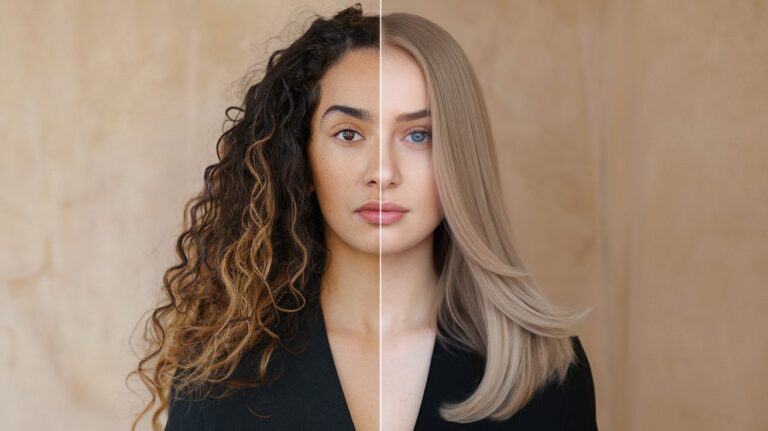
The most noticeable benefit of keratin treatment is dramatically smoother and shinier hair. The treatment fills in damaged cuticles and creates a protective barrier that reflects light more effectively, resulting in enhanced shine that lasts 3-6 months. Clients typically experience 50-70% reduction in frizz, making hair significantly more manageable in humid conditions. Daily styling time decreases by an average of 30-45 minutes, as hair air-dries smoother and requires less heat styling to achieve desired looks.
Long-Lasting Straightening Effects
Unlike temporary straightening methods, keratin treatments provide long-lasting results that gradually fade over 12-20 weeks. The treatment doesn’t permanently alter hair structure like chemical relaxers, instead creating a temporary protein coating that slowly washes out. This semi-permanent nature allows hair to return to its natural texture without causing permanent damage, while still providing months of smoother, more controlled styling. Professional treatments typically last longer than at-home versions, with salon results lasting 4-6 months compared to 6-8 weeks for DIY options.
Thicker Appearance and Enhanced Volume
Keratin treatment can make hair appear thicker and fuller by coating each strand with protective proteins. This coating adds microscopic bulk to individual hairs, creating the illusion of increased density and volume. The smoothing effect also allows light to reflect more evenly across the hair surface, enhancing the appearance of thickness. Many clients with fine or thin hair report improved styling options and increased confidence in their hair’s appearance after keratin treatment.
Potential Risks and Side Effects of Keratin Treatments
While keratin treatments offer significant benefits, they also carry potential health and safety risks that consumers should carefully consider. Understanding these risks helps individuals make informed decisions about whether the benefits outweigh potential negative consequences.
Formaldehyde Exposure and Health Concerns
Many traditional keratin treatments contain formaldehyde or formaldehyde-releasing chemicals like methylene glycol, which can pose serious health risks. The FDA has issued warnings about formaldehyde exposure during keratin treatments, citing risks including eye irritation, respiratory problems, and potential cancer concerns. Salon workers face particular risk due to repeated exposure, with some experiencing chronic respiratory issues and skin sensitivity. Clients may experience immediate symptoms including burning eyes, throat irritation, and headaches during and after treatment.
Hair Damage and Chemical Reactions
Keratin treatments can cause temporary hair damage including increased breakage, dryness, and color changes in chemically processed hair. The high heat required to seal the treatment (400-450°F) can damage already compromised hair, leading to brittleness and breakage. Some individuals experience allergic reactions to treatment chemicals, resulting in scalp irritation, redness, or more severe reactions. Hair color may also fade or shift, particularly in bleached or highlighted hair, requiring additional color correction treatments.
Is Keratin Treatment Worth the Cost in 2025
Determining whether keratin treatment provides good value requires considering both financial investment and long-term hair care benefits. Professional treatments range from $200-600 depending on salon location, hair length, and treatment type, while at-home alternatives cost $20-80 but typically provide inferior and shorter-lasting results.
The cost-benefit analysis becomes favorable for individuals who regularly use expensive styling products, frequent salon visits for blowouts, or spend significant time on daily hair styling. Many clients save money long-term by reducing product purchases and styling appointments. However, those with naturally straight hair or minimal styling routines may not see sufficient return on investment to justify the expense and potential risks.
Keratin Treatment Effects on Different Hair Types
The effectiveness and safety of keratin treatments vary significantly based on individual hair type and condition. Understanding how your specific hair characteristics respond to keratin processing helps predict treatment outcomes and potential complications.
Fine and Thin Hair Considerations
Fine or thin hair often responds well to keratin treatment, as the protein coating can make strands appear thicker and fuller. However, fine hair is more susceptible to damage from the high heat required during processing, potentially leading to increased breakage and brittleness. The weight of the keratin coating may also flatten fine hair, reducing natural volume. Individuals with fine hair should consider lighter formulations and may need more frequent touch-ups to maintain desired results without overwhelming delicate strands.
Curly and Coarse Hair Benefits
Coarse, curly, or chemically processed hair typically sees the most dramatic benefits from keratin treatment. These hair types have more damaged cuticles and greater porosity, allowing better keratin absorption and more noticeable smoothing effects. The treatment can reduce curl pattern by 50-80% while maintaining natural movement and body. However, coarse hair may require stronger formulations or multiple applications to achieve desired results, increasing both cost and chemical exposure risks.
At-Home vs Professional Keratin Treatment Comparison
The choice between professional salon treatment and at-home alternatives significantly impacts results, safety, and longevity. Professional keratin treatments offer superior formulations, proper application techniques, and safer chemical handling, but cost significantly more than DIY options. Salon treatments typically last 4-6 months and provide more dramatic results, while at-home treatments last 6-8 weeks with modest improvements.
At-home treatments offer convenience and cost savings but carry increased risks of uneven application, chemical burns, and suboptimal results. Professional stylists can assess hair condition, select appropriate formulations, and provide proper ventilation to minimize health risks. However, qualified at-home products from reputable brands can provide satisfactory results for individuals seeking moderate improvement at lower cost.
Safer Alternatives to Traditional Keratin Treatments
For individuals concerned about formaldehyde exposure or seeking gentler options, several alternative treatments provide similar benefits with reduced risks. Formaldehyde-free keratin treatments use alternative proteins and amino acids to smooth hair without dangerous chemical exposure. These treatments typically provide 70-80% of traditional results while eliminating major health concerns.
Other alternatives include protein treatments, Brazilian blowouts with safer formulations, and conditioning treatments that provide temporary smoothing effects. Natural options like coconut oil treatments, silk protein applications, and intensive conditioning masks can improve hair manageability without chemical risks. While these alternatives may not provide the dramatic, long-lasting results of traditional keratin treatments, they offer safer approaches to hair improvement for health-conscious consumers.
Related video about is keratin treatment good for hair
This video complements the article information with a practical visual demonstration.
What you should know
Is keratin hair treatment damaging for hair?
Keratin treatment can cause temporary damage including increased breakage, dryness, and brittleness due to high heat application (400-450°F). The treatment may also strip natural oils and cause color fading in chemically processed hair. However, when performed correctly by professionals on healthy hair, damage is typically minimal and temporary, with most clients experiencing net benefits in hair manageability and appearance.
What are the disadvantages of keratin treatment?
Main disadvantages include formaldehyde exposure risks, high cost ($200-600), potential hair damage, and temporary loss of natural curl pattern. Some clients experience allergic reactions, scalp irritation, or respiratory issues during treatment. The process is time-consuming (2-4 hours) and requires careful aftercare including avoiding water for 72 hours and using sulfate-free products to maintain results.
How long does a keratin treatment last?
Professional keratin treatments typically last 3-6 months, with gradual fading over 12-20 weeks. Longevity depends on hair type, aftercare routine, and environmental factors. At-home treatments generally last 6-8 weeks. Factors that reduce longevity include frequent washing, swimming in chlorinated pools, using sulfate-containing products, and excessive heat styling. Proper maintenance can extend results significantly.
Is keratin really worth it?
Keratin treatment value depends on individual hair needs, lifestyle, and risk tolerance. It’s typically worth it for people with very frizzy, unmanageable hair who spend significant time on daily styling. The treatment can save 30-45 minutes daily styling time and reduce product costs long-term. However, those with naturally straight hair, sensitive scalps, or budget constraints may find alternatives more suitable for their needs.
Can keratin treatment help with hair growth?
Keratin treatment doesn’t directly stimulate hair growth but can create conditions that support healthier hair by reducing breakage and damage from styling. The protective protein coating strengthens hair strands, potentially reducing breakage that makes hair appear to grow slower. However, keratin treatment is primarily a cosmetic smoothing procedure rather than a hair growth treatment, and individuals seeking growth benefits should consider dedicated hair growth therapies.
Is keratin treatment safe for thin hair?
Keratin treatment can benefit thin hair by making strands appear thicker and fuller through protein coating. However, fine hair is more susceptible to heat damage from the high temperatures required during processing. The treatment weight may also flatten natural volume. Individuals with thin hair should choose lighter formulations, seek experienced professionals, and consider patch testing to assess compatibility before full treatment.
| Treatment Aspect | Professional Treatment | At-Home Treatment |
|---|---|---|
| Cost Range | $200-600 | $20-80 |
| Duration of Results | 4-6 months | 6-8 weeks |
| Frizz Reduction | 50-80% | 30-50% |
| Safety Level | Higher (ventilation, expertise) | Moderate (user dependent) |
| Best For | Severely frizzy, damaged hair | Mild frizz, budget-conscious |