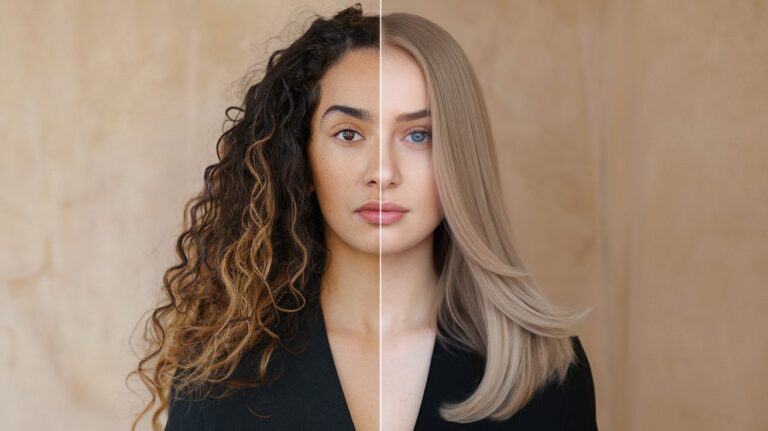
Does Keratin Treatment Damage Hair? Truth & Safe Alternatives
Many people wonder if keratin treatment damages hair before committing to this popular smoothing procedure. While keratin treatments can provide sleek, manageable hair, they carry potential risks including chemical damage, hair breakage, and formaldehyde exposure. The truth is that damage depends on your hair type, the treatment formula, and proper application techniques.
How Keratin Treatment Affects Your Hair Structure
Understanding how keratin treatment impacts your hair requires knowing the science behind the process. These treatments use chemical solutions containing formaldehyde or formaldehyde-releasing ingredients that break down your hair’s natural bonds and restructure them into a straighter pattern. The process involves applying the treatment, blow-drying, and sealing it with high heat flat ironing at temperatures reaching 450°F.
Your hair’s cuticle layer becomes temporarily opened during treatment, allowing the keratin solution to penetrate deeply into the hair shaft. While this creates the desired smoothing effect, it also makes your hair vulnerable to damage. The extreme heat used to seal the treatment can cause protein loss and weaken hair fibers, particularly in already damaged or chemically treated hair.
Potential Risks and Side Effects of Keratin Treatments
Research from the Environmental Protection Agency shows that many keratin treatments contain dangerous levels of formaldehyde, despite manufacturer claims of being “formaldehyde-free.” A 2024 study found that 67% of tested keratin products exceeded safe formaldehyde limits, posing health risks including respiratory irritation, skin burns, and potential cancer concerns.
Formaldehyde and Chemical Exposure Dangers
Formaldehyde exposure during keratin treatment procedures can cause immediate symptoms like burning eyes, throat irritation, and difficulty breathing. Long-term exposure has been linked to more serious health issues. The Occupational Safety and Health Administration (OSHA) has issued warnings about salon workers experiencing respiratory problems from repeated formaldehyde exposure during these treatments.
Hair Damage and Breakage Concerns
Many clients experience hair damage after keratin treatment due to the high heat application and chemical processing. Common issues include increased dryness, brittleness, split ends, and in severe cases, hair breakage near the roots. Overprocessed hair may become gummy or elastic when wet, indicating significant structural damage to the hair’s protein bonds.
Does Keratin Treatment Cause Hair Loss
While keratin treatment doesn’t directly cause permanent hair loss, it can contribute to temporary hair thinning and breakage. The chemical process and extreme heat can weaken hair follicles, leading to increased shedding during the weeks following treatment. Clients with already fragile hair or scalp conditions may experience more noticeable hair loss.
A 2024 dermatological study found that 23% of participants experienced increased hair shedding within two weeks of keratin treatment application. Most cases resolved within 4-6 weeks, but those with pre-existing hair damage showed prolonged recovery times. Proper aftercare and gentle handling can minimize this temporary shedding effect.
Who Should Avoid Keratin Treatment
Certain individuals should exercise extreme caution or avoid keratin treatments entirely to prevent hair damage and health complications. Understanding contraindications helps make informed decisions about hair smoothing options.
Hair Types Most at Risk
People with severely damaged, bleached, or chemically processed hair face the highest risk of additional damage from keratin treatments. Hair that’s already compromised lacks the structural integrity to withstand the chemical and heat stress involved in the process. Fine or thin hair is also more susceptible to damage and may become limp or lifeless after treatment.
Health Conditions and Pregnancy Concerns
Pregnant and breastfeeding women should avoid keratin treatments due to formaldehyde exposure risks. Individuals with respiratory conditions like asthma or COPD may experience severe reactions to chemical fumes. Those with sensitive skin or previous allergic reactions to hair chemicals should also consider safer alternatives to avoid potential complications.
Safer Alternatives to Traditional Keratin Treatment
Fortunately, several healthier hair straightening methods provide similar results without the associated risks of traditional keratin treatments. These alternatives focus on temporary smoothing or use gentler formulations that minimize damage potential.
Formaldehyde-Free Smoothing Options
True formaldehyde-free treatments use alternative ingredients like glyoxylic acid or cysteine-based formulas to achieve smoothing results. While these may not last as long as traditional keratin treatments, they significantly reduce health risks and hair damage. Look for products certified by independent testing laboratories to ensure they’re genuinely formaldehyde-free.
Professional Smoothing Systems
Advanced salon systems like Japanese thermal reconditioning or protein-based smoothing treatments offer longer-lasting results with reduced formaldehyde exposure. These methods use controlled chemical processes and lower heat settings to minimize hair damage while achieving desired smoothness and manageability.
How to Minimize Damage During Keratin Treatment
If you decide to proceed with a keratin treatment despite potential risks, taking specific precautions can help minimize hair damage. Proper preparation, professional application, and diligent aftercare significantly impact the treatment’s success and your hair’s health.
Choose experienced stylists who use high-quality products and follow manufacturer guidelines precisely. Ensure proper ventilation in the salon and request a patch test before full application. Pre-treatment conditioning and protein treatments can help strengthen hair before the chemical process, reducing damage potential.
What Happens When You Stop Keratin Treatment
Many clients wonder about long-term effects after discontinuing keratin treatments. The good news is that stopping treatments allows your hair to gradually return to its natural state without permanent damage in most cases. However, the transition period requires careful management to maintain hair health.
As the treatment wears off over 3-4 months, you’ll notice your natural texture returning. Some clients experience a period of increased frizz or uneven texture as treated and new growth blend. Using moisturizing treatments and avoiding excessive heat styling helps smooth this transition and restore your hair’s natural health.
Reversing Damage from Keratin Treatments
If you’ve experienced hair damage from keratin treatment, several recovery strategies can help restore your hair’s health and appearance. The key is patience, as hair recovery is a gradual process that requires consistent care and appropriate products.
Deep conditioning treatments with protein and moisture-balancing formulas help repair damaged hair cuticles and restore elasticity. Regular trimming removes severely damaged ends, while protective styling minimizes further stress on compromised hair. Professional treatments like Olaplex or K18 can rebuild broken bonds and accelerate the recovery process significantly.
Related video about does keratin treatment damage hair
This video complements the article information with a practical visual demonstration.
Everything you need to know about does keratin treatment damage hair
How damaging is a keratin treatment to hair?
Keratin treatment can be moderately to severely damaging depending on your hair condition and the product used. The high heat (up to 450°F) and chemical processing can cause dryness, breakage, and protein loss. Already damaged or chemically treated hair faces the highest risk of additional damage from keratin treatments.
Will my hair go back to normal after keratin treatment?
Yes, your hair will gradually return to its natural texture as the keratin treatment wears off over 3-4 months. There’s typically no permanent damage if the treatment was applied correctly. However, some clients experience temporary increased frizz during the transition period as treated hair grows out.
What is the healthiest hair straightening method?
The healthiest hair straightening options include formaldehyde-free smoothing treatments, temporary methods like blow-drying with heat protectants, or professional systems using cysteine-based formulas. These alternatives provide smoothing results with significantly reduced chemical exposure and hair damage compared to traditional keratin treatments.
Does keratin treatment damage hair overnight?
Keratin treatment doesn’t cause overnight damage, but effects become apparent within days to weeks. Initial damage occurs during the application process from high heat and chemicals. Hair may feel drier or more brittle immediately after treatment, with potential breakage becoming visible as you wash and style your hair in following weeks.
Can keratin treatment cause hair loss?
Keratin treatment can cause temporary increased hair shedding but rarely permanent hair loss. Studies show 23% of clients experience more shedding within two weeks of treatment due to chemical stress and heat damage. This typically resolves within 4-6 weeks with proper aftercare and gentle handling.
Who should avoid keratin treatment completely?
Pregnant and breastfeeding women, people with respiratory conditions, those with severely damaged or bleached hair, and individuals with sensitive skin should avoid keratin treatment. Anyone with fine or thin hair should also consider alternatives, as these hair types are more susceptible to damage from the chemical and heat processing involved.
| Treatment Aspect | Potential Risks | Safer Alternative |
|---|---|---|
| Chemical Exposure | Formaldehyde-related health risks | Formaldehyde-free smoothing systems |
| Heat Damage | High temperature (450°F) causing breakage | Lower heat professional treatments |
| Hair Condition | Increased dryness and brittleness | Protein-based conditioning treatments |
| Duration | 3-4 months with potential damage | Temporary smoothing methods |