Why Is My Hair Dry and Frizzy? 8 Causes + Solutions 2025
If you’re wondering why is my hair dry and frizzy, you’re not alone. According to 2024 hair care surveys, over 68% of Americans struggle with dry, frizzy hair caused by factors like overwashing, heat styling, environmental damage, and genetics. Understanding these causes is the first step to achieving smooth, hydrated hair that looks and feels healthier.
What Makes Hair Dry and Frizzy
Hair becomes dry and frizzy when the outer protective layer called the cuticle is damaged or raised. When cuticles are healthy, they lie flat and create a smooth surface that reflects light and retains moisture. However, when damaged, these cuticles lift up, allowing moisture to escape and creating the rough, uneven texture we recognize as frizz.
The hair shaft contains natural oils produced by sebaceous glands, but various factors can strip away these protective oils. When your hair lacks adequate moisture and natural oils, it becomes porous and vulnerable to environmental humidity, causing strands to swell and appear frizzy. This process is particularly noticeable in curly and textured hair types, which naturally produce less sebum along the hair shaft.
8 Common Causes of Dry Frizzy Hair
Understanding the root causes of dry frizzy hair helps you target the right solutions. Research from the American Academy of Dermatology in 2024 identifies multiple factors that contribute to hair dryness and frizz, ranging from daily habits to genetic predisposition.
Hot Water and High Shower Temperature
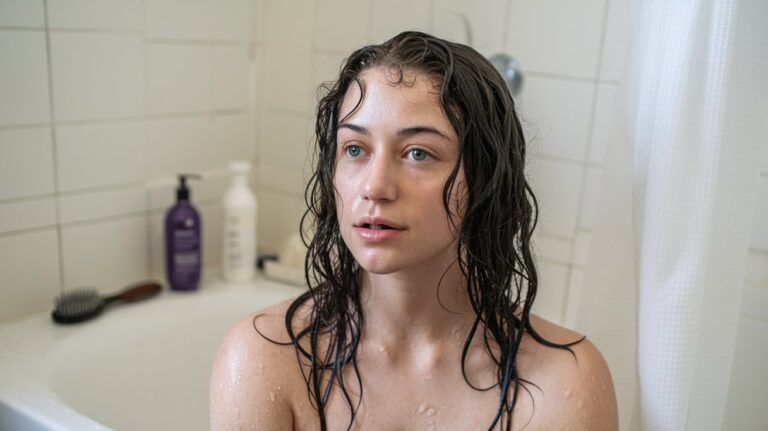
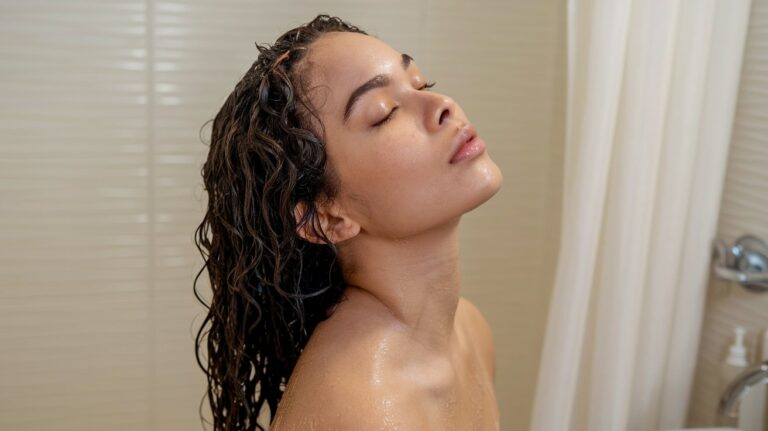
Using hot water during hair washing is one of the most common causes of dry, frizzy hair. Water temperatures above 100°F strip away natural oils and cause cuticles to swell and lift. Hair care experts recommend using lukewarm water (around 85-90°F) for washing and finishing with a cool rinse to seal the cuticles and lock in moisture.
Overwashing Your Hair
Overwashing hair removes essential natural oils that keep strands moisturized and protected. Most hair types only need washing 2-3 times per week, according to 2025 trichology guidelines. People with curly or textured hair may benefit from washing just once or twice weekly, while those with fine or oily hair might need more frequent cleansing but should use gentler, sulfate-free formulas.
Heat Styling and Chemical Damage
Regular use of heat styling tools like flat irons, curling irons, and blow dryers can severely damage hair cuticles when used at high temperatures. Tools exceeding 350°F cause protein denaturation in hair fibers. Additionally, chemical treatments including bleaching, perming, and frequent coloring create porosity that leads to moisture loss and increased frizz.
Environmental Factors and Humidity
Environmental conditions significantly impact hair texture and moisture levels. High humidity causes hair to absorb excess moisture from the air, leading to swelling and frizz. Conversely, dry climates and indoor heating systems during winter months can dehydrate hair. UV radiation from sun exposure also breaks down hair proteins and strips away protective oils.
Harsh Hair Products and Ingredients
Many conventional shampoos contain harsh sulfates like sodium lauryl sulfate that strip natural oils too aggressively. Alcohol-based styling products, particularly those with denatured alcohol, can severely dry out hair. Products with silicones that aren’t water-soluble can build up over time, preventing moisture from penetrating the hair shaft.
Genetics and Hair Structure
Genetic factors play a crucial role in hair texture and moisture retention. People with naturally curly or coily hair have irregularly shaped follicles that produce less sebum along the hair shaft. The curved structure of curly hair also makes it more difficult for natural oils to travel from roots to ends, resulting in inherently drier hair that’s more prone to frizz.
Age-Related Changes
As we age, sebaceous gland production naturally decreases, leading to drier hair and scalp. Hormonal changes, particularly during menopause, can alter hair texture and reduce natural oil production. Many people notice their hair becoming increasingly frizzy after age 40 due to these physiological changes combined with years of cumulative damage.
Nutritional Deficiencies
Certain vitamin and mineral deficiencies can manifest as dry, brittle, and frizzy hair. Iron deficiency affects hair growth and texture, while inadequate protein intake weakens hair structure. Deficiencies in omega-3 fatty acids, biotin, and vitamins A, D, and E can all contribute to poor hair health and increased frizz.
How to Fix Dry Frizzy Hair
Repairing dry frizzy hair requires a comprehensive approach that addresses both immediate symptoms and underlying causes. The most effective strategies focus on restoring moisture, protecting the hair cuticle, and preventing further damage through improved hair care practices.
Start with a deep conditioning treatment once or twice weekly using products containing ceramides, proteins, and natural oils. Look for ingredients like argan oil, shea butter, and keratin that help rebuild the hair structure and seal moisture into the cuticle layer.
Best Products for Dry Frizzy Hair
Choosing the right shampoo for dry frizzy hair is crucial for maintaining healthy moisture levels. Sulfate-free formulas with hydrating ingredients like glycerin, hyaluronic acid, and coconut oil help cleanse without stripping natural oils. Popular 2025 recommendations include moisturizing shampoos from brands like Olaplex, Moroccanoil, and Living Proof.
For dry frizzy hair treatment, leave-in conditioners and hair masks provide intensive moisture. Weekly protein treatments help rebuild damaged hair structure, while daily leave-in products with UV protection shield hair from environmental damage. Heat protectant sprays are essential when using styling tools, providing a barrier that prevents moisture loss.
Home Remedies for Dry Frizzy Hair
Natural home remedies for dry frizzy hair can be highly effective when used consistently. Coconut oil masks provide deep penetrating moisture due to the small molecular structure of lauric acid. Apply warm coconut oil from mid-length to ends, leave for 30 minutes, then shampoo as usual for soft, manageable hair.
An avocado and honey mask combines natural emollients with humectants to attract and seal moisture. Mash one ripe avocado with two tablespoons of honey, apply to damp hair, and leave for 20 minutes before rinsing. Apple cider vinegar rinses help smooth the cuticle and restore pH balance, reducing frizz and adding shine.
Professional Treatments for Severe Cases
When home treatments aren’t sufficient, professional salon services can provide more intensive repair. Keratin treatments smooth the hair cuticle and reduce frizz for 3-4 months, though they require careful consideration due to formaldehyde concerns in some formulations. Olaplex treatments rebuild broken disulfide bonds in chemically damaged hair.
Deep conditioning treatments at salons use professional-grade products with higher concentrations of active ingredients. Steam treatments open the cuticle to allow deeper penetration of moisturizing ingredients, while protein treatments strengthen damaged hair structure for long-lasting results.
Related video about why is my hair dry and frizzy
This video complements the article information with a practical visual demonstration.
Frequently Asked Questions
How to fix dry frizzy hair quickly?
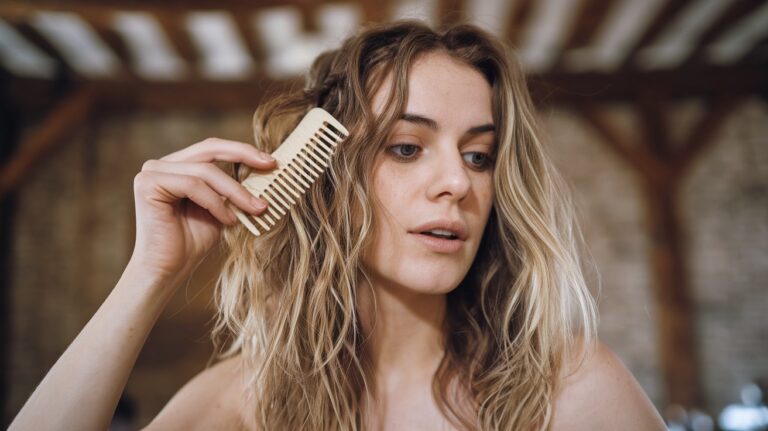
To quickly fix dry frizzy hair, apply a leave-in conditioner to damp hair, use a wide-tooth comb to detangle, and air dry or use a diffuser on low heat. Weekly deep conditioning masks with ingredients like argan oil and shea butter provide longer-term moisture restoration. Avoid heat styling and use silk pillowcases to reduce friction overnight.
What deficiency causes dry, frizzy hair?
Iron deficiency is the most common nutritional cause of dry, frizzy hair, affecting hair growth and texture. Other deficiencies include inadequate protein intake, low levels of omega-3 fatty acids, and insufficient vitamins A, D, E, and biotin. A balanced diet with lean proteins, leafy greens, and healthy fats supports optimal hair health.
Why is my hair getting frizzy as I get older?
Hair becomes frizzier with age due to decreased sebaceous gland production, which reduces natural oil secretion. Hormonal changes, particularly during menopause, alter hair texture and moisture retention. Additionally, cumulative damage from years of styling, environmental exposure, and chemical treatments contributes to increased porosity and frizz over time.
How do I hydrate my hair effectively?
Hydrate hair by using sulfate-free shampoos, applying deep conditioning masks weekly, and using leave-in treatments with humectants like glycerin and hyaluronic acid. Drink adequate water, eat omega-3 rich foods, and protect hair from heat and UV damage. Regular trims remove damaged ends that contribute to moisture loss.
Can dry frizzy hair be permanently fixed?
While genetic factors affecting hair texture cannot be permanently changed, significant improvement is possible through consistent care routines, professional treatments like keratin services, and addressing underlying causes such as nutritional deficiencies. Proper hydration, gentle handling, and protective styling can maintain smooth, manageable hair long-term.
Why is my hair so dry and frizzy all of a sudden?
Sudden changes in hair texture can result from hormonal fluctuations, new medications, seasonal weather changes, or recent chemical treatments. Stress, illness, and dietary changes also affect hair health. If the change is dramatic and unexplained, consult a dermatologist or trichologist to rule out underlying medical conditions affecting hair follicles.
| Cause Category | Primary Solutions | Expected Timeline |
|---|---|---|
| Heat Damage | Heat protectants, lower temperatures, protein treatments | 2-4 weeks improvement |
| Product Buildup | Clarifying shampoo, sulfate-free products | 1-2 weeks |
| Moisture Loss | Deep conditioning, leave-in treatments, oils | 3-6 weeks |
| Environmental Damage | UV protection, humidity control, gentle handling | 4-8 weeks |